Clearing work began in June 2026 on an 8,100 square metre plot in San Pedro de Alcántara, the former site of the Cielo de San Pedro development, marking the start of construction on a new bus station for the town. The plot sits beside the junction of the A-7 motorway and the A-397 road to Ronda, a location chosen precisely because it already carries so much of the traffic the new hub is meant to organise.
The project has been in planning since at least March 2026, when the Junta de Andalucía first set out its ambition to build a single transport interchange for a town whose bus stops are currently scattered along several streets. For anyone weighing property for sale in San Pedro de Alcántara, a proper bus station is a small but telling sign of a town investing in the everyday infrastructure that keeps a growing population connected, rather than only building the housing itself.
Deputy mayor Javier García, who has spoken publicly about the scheme, said the financing behind it is guaranteed. That is a reassurance worth noting, given how many Costa del Sol infrastructure projects have stalled for years over funding disputes between local and regional government.
A New Transport Hub for San Pedro de Alcántara
The scheme will replace a patchwork of roadside stops with a single station holding six bus bays and proper waiting areas, alongside a taxi rank and pedestrian connections into the surrounding streets. A car park is also planned as part of the site, addressing a second problem the current arrangement does nothing to solve, which is where to leave a car before catching a bus out of town.
Marbella City Council is providing the municipal plot on which the station will sit, while the Junta de Andalucía is responsible for the design, the tender process and the construction itself. Once built, the council will take over day to day management and maintenance, a split of responsibilities that mirrors how several other regional transport projects on the coast have been structured in recent years.
That division of labour matters because it spreads both the cost and the risk of the project across two levels of government rather than leaving either one to carry it alone. Marbella’s own finances have been in reasonable shape in recent years, but a €1.5 million transport project is still easier to justify to a council budget when the regional government is meeting a substantial share of the bill.

From Scattered Stops to a Single Terminal
San Pedro de Alcántara’s bus services currently leave from stops dotted across the town rather than from one central point, an arrangement that makes connecting between routes slower than it needs to be and leaves visitors searching for the right corner rather than the right platform. Planners expect the new station to handle more than 100 departures on an average weekday, a figure that climbs considerably higher during the summer months when the town’s population swells.
Consolidating that volume of traffic into a single site is as much about clarity as capacity, since a visitor or resident who knows to go to one building rather than memorise half a dozen street corners is far more likely to use the bus in the first place. JUST hears this complaint regularly from clients who have relocated to the Marbella area without a car, and a proper terminal addresses it directly rather than leaving public transport as a last resort.
A single terminal also makes it far easier to coordinate timetables between operators, since connecting from a regional bus to a local one currently depends on knowing which stop serves which route and hoping the two happen to align. Centralising that coordination in one building is a small administrative change with an outsized effect on how usable the whole network feels to someone new to the area.
The Sardine Inspired Design
The station’s architecture takes an unusual reference point, with the structure abstractly inspired by an espeto de sardinas, the skewered sardines grilled over open coals that are as close to a culinary emblem as the Costa del Sol has. Deputy mayor Javier García described the aim as a modern and iconic image representative of the coast, rather than another anonymous concrete shelter.
Whether the finished building reads as clearly as the brief intends will only become apparent once construction is further along, but the choice itself says something about how seriously the Junta and the council are treating a project that could easily have been purely functional. A transport hub that doubles as a small landmark gives San Pedro de Alcántara a identifiable civic building it has arguably lacked, alongside the town’s older landmarks such as its parish church and historic plaza.
Public buildings designed around a local reference point, rather than a generic template handed down from a regional transport authority, tend to age better in how residents feel about them, even if the engineering underneath is identical either way. A sardine skewer is an unlikely muse for a bus station, but it is a distinctly Costa del Sol one, and that local specificity is worth more to a town’s identity than another glass box would have been.

Budget and Funding Behind the Project
Officials estimated the cost at around €1.7 million when the scheme was first announced in March 2026. By the time clearing work began on site in June, the confirmed budget stood at €1.5 million, funded jointly by Marbella City Council and the Junta de Andalucía, a modest narrowing that is typical as a project moves from early estimate to a costed construction contract.
Either figure is a small sum next to the hundreds of millions being spent on residential schemes elsewhere in Marbella, but a bus station is not judged by the same yardstick as a development of villas or apartments. Its return is measured in fewer cars on the A-7, shorter waits for residents without one, and a more convenient town for the many buyers who tell JUST that walkability and public transport matter as much as the property itself.
A guaranteed funding line also reduces one of the main risks that has dogged smaller infrastructure projects across the province, which is a scheme that breaks ground with only partial financing secured and then stalls once the easy phase of work is finished. Deputy mayor García’s public assurance on this point is the kind of detail easy to overlook in a short news item but worth taking seriously when judging whether a project will actually open on schedule.
A Site with Its Own Industrial History
San Pedro de Alcántara began as an agricultural colony, founded in 1860 by the Marqués del Duero to house workers on the sugar cane and cotton plantations that once covered this stretch of coast before tourism and residential building took over. The town’s old Alcoholera, a former distillery building with a distinctive castellated tower, still stands as a reminder of that industrial past, processing the byproducts of the sugar harvest long before the first apartment block went up nearby.
The new transport hub sits at something of a hinge point between that agricultural history and the infrastructure a modern resort town now needs, built not on virgin land but on a plot that had already cycled through at least one earlier development proposal under the Cielo de San Pedro name. Layering new infrastructure onto previously used land is, in a built out town like this one, usually the only realistic option left.
JUST’s own guide to the wider Marbella area covers San Pedro de Alcántara’s shift from agricultural colony to residential suburb in more detail, and that history is part of what makes the town feel distinct from newer developments further along the coast. A bus station built on a site with this much past use behind it is, in its own small way, another chapter in the same long process of repurposing the land the Marqués del Duero first put to work.

Connecting San Pedro to the Wider Costa del Sol
Beyond organising local stops, the station is intended to strengthen San Pedro de Alcántara’s position as a connecting point between the coast and Ronda, linking the beaches of Estepona and Marbella with the mountain town and, from there, onward into parts of Cadiz and Granada provinces that current services reach only indirectly. A single well run interchange makes that kind of longer journey considerably more practical than relying on a scattered set of stops, each served by a different operator’s timetable.
That regional role matters for a town whose own growth has consistently outpaced its transport infrastructure over the past two decades. San Pedro de Alcántara’s position between Puerto Banús and the New Golden Mile means plenty of residents already commute along this corridor daily, and a proper station gives that existing demand somewhere purpose built to depart from rather than the roadside arrangement it has made do with until now.
Buyers browsing JUST’s current listings across this stretch of coast increasingly ask about commute times to Marbella, Puerto Banús and the airport in the same breath as they ask about bedrooms and terraces, and a reliable bus link answers part of that question for anyone who would rather not drive every day. A station built to regional standards, rather than a single local stop, puts San Pedro de Alcántara on a more even footing with towns further along the coast that have long had better connections.
What Better Transport Means for the Local Market
Infrastructure of this kind rarely moves property prices on its own, but it does feature consistently in the conversations JUST has with buyers comparing San Pedro de Alcántara against Benahavís or the hills above Marbella, particularly among those who want strong public transport links for family members, staff or a future when driving themselves everywhere may be less appealing. A town actively investing in a proper bus station answers a practical question that glossy brochures rarely address.
Buyers using JUST’s property valuation calculator on homes in San Pedro de Alcántara are, in effect, pricing in exactly this kind of civic investment alongside the more obvious factors of size, condition and proximity to the beach. A well connected town tends to hold its value more consistently through a slow sales market than one where every journey depends on a car, a pattern JUST has watched play out across the Golden Triangle over the past two years.
None of this suggests San Pedro de Alcántara is about to leap ahead of Marbella or Puerto Banús on price, and JUST would not frame it that way to a client. What the bus station does is remove one of the small but persistent frictions that make a town less convenient than its location otherwise deserves, and frictions like that tend to matter more to the people who actually live somewhere year round than to a buyer viewing a property for the first time on a sunny afternoon.

Timeline and What Comes Next
The clearing phase that began in June 2026 was scheduled to run for around two months, after which the main construction contract is expected to go out to public tender between late 2026 and early 2027. Officials are targeting completion and opening some time in 2027, though a precise date has not been published, which is typical for a project still moving through its early construction phases.
JUST will track the tender and the build as they progress, since a project of this size rarely finishes without at least some adjustment to the original schedule. For now, the clearest signal is that both the council and the Junta have moved from announcement to actual groundwork, which on the Costa del Sol is often the harder step, and one that plenty of announced schemes never quite manage.
Clients who ask JUST through What Are You Looking For for a home within easy reach of good transport links will start hearing about this project as a point in San Pedro de Alcántara’s favour well before the first bus actually departs from the finished station. Infrastructure promises are easy to make and harder to deliver, but a cleared plot and a guaranteed budget put this one further along than most.

Market report
Download our Q2 2026 Market Report
The Costa del Sol property market continues to evolve, but informed decisions begin with reliable data. Download the JUST Q2 2026 Marbella Property Market Report and gain exclusive insight into one of Europe’s most resilient and internationally driven residential markets.
Research enquiries
James Evans
Sales enquiries
Alina Nouaimeh
Questions
About the report
Is the JUST Market Report free to download?
Yes. The report is available as a complimentary download and provides professional analysis of the Marbella, Estepona and Benahavís property markets.
Who is the report designed for?
The report is written for buyers, sellers, investors, developers, relocation clients, family offices and anyone seeking accurate, data-led insight into the Costa del Sol property market.
Where does the data come from?
Our analysis uses official information from Registradores de España, INE, Notariado, Tinsa, Banco de España and other recognised industry sources, combined with our own market observations and research.
How often is the report updated?
JUST Real Estate publishes a comprehensive market report every quarter, ensuring readers have access to the latest available market intelligence.
Listings
Our latest listings
A selection from our current listings, with the full range on our properties page.

5 bedroom villa for sale in Mijas
- 5 beds
- 6 baths
- Plot: 1,805 m²
- Interior: 465 m²
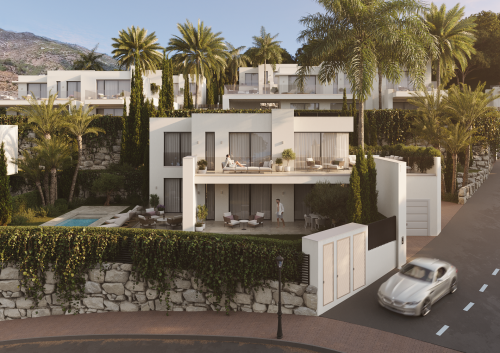
4 bedroom villa for sale in Mijas Pueblo, Mijas
- 4 beds
- 4 baths
- Plot: 580 m²
- Interior: 150 m²
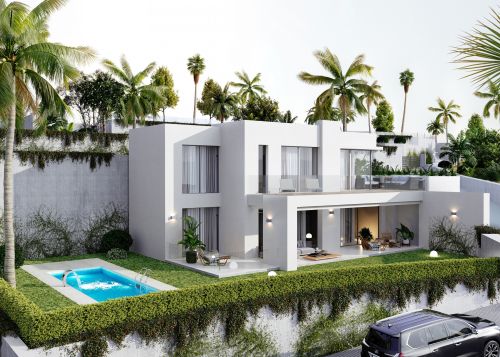
4 bedroom villa for sale in Mijas
- 4 beds
- 4 baths
- Plot: 580 m²
- Interior: 150 m²
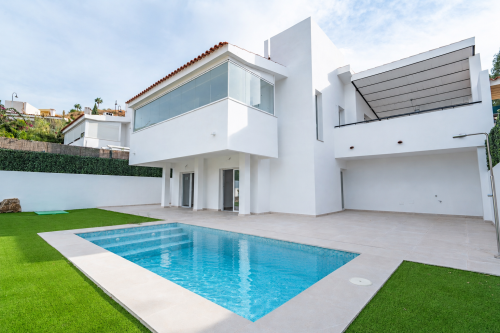
4 bedroom villa for sale in Mijas Pueblo, Mijas
- 4 beds
- 3 baths
- Plot: 340 m²
- Interior: 187.42 m²
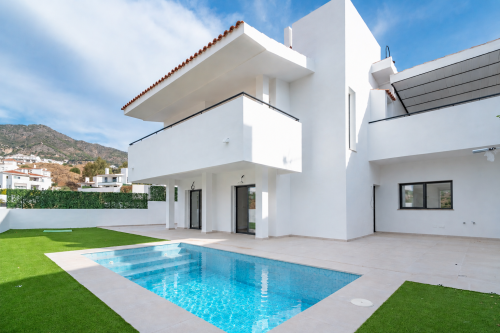
4 bedroom villa for sale in Mijas Pueblo, Mijas
- 4 beds
- 3 baths
- Plot: 339 m²
- Interior: 195.47 m²
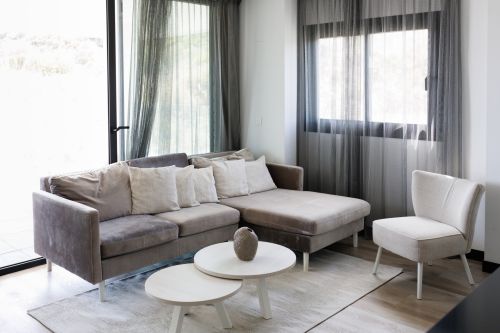
3 bedroom apartment for sale in Mijas
- 3 beds
- 2 baths
- Plot: 34.98 m²
- Interior: 79 m²
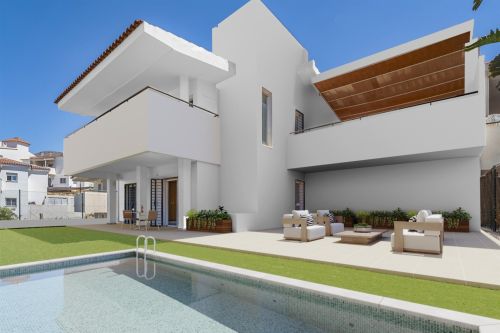
3 bedroom villa for sale in Mijas Pueblo, Mijas
- 3 beds
- 2 baths
- Plot: 344 m²
- Interior: 164.86 m²

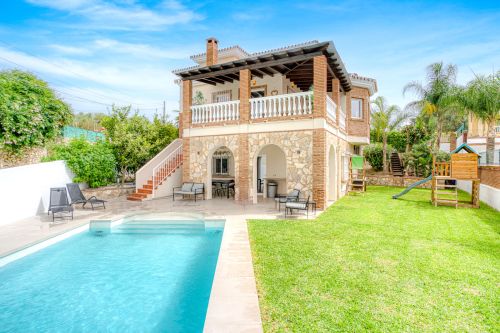
6 bedroom villa for sale in Mijas
- 6 beds
- 4 baths
- Plot: 658 m²
- Interior: 360 m²

5 bedroom house for sale in Valtocado, Mijas
- 5 beds
- 4 baths
- Plot: 41,000 m²
- Interior: 378 m²
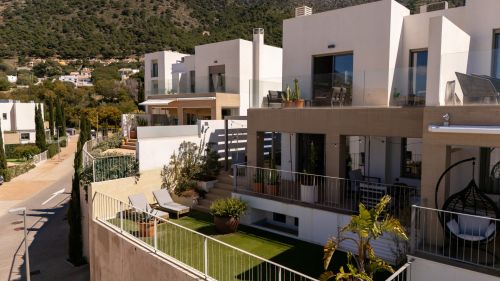
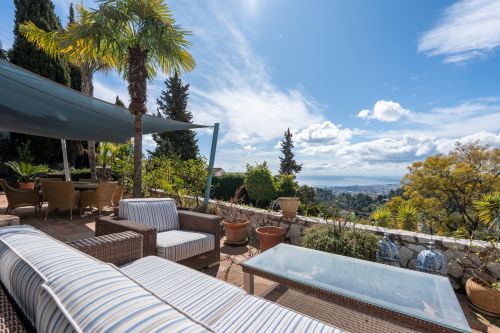
4 bedroom villa for sale in Mijas Pueblo, Mijas
- 4 beds
- 4 baths
- Plot: 1,974 m²