Río Real Golf’s new sector, by the numbers
The Junta de Andalucía has published the unified environmental authorisation for the second development sector of Río Real Golf, clearing a key step toward 428 new homes on the east side of Marbella. The notice appeared in BOJA, the Official Bulletin of the Junta de Andalucía, in issue 205 of 22 October 2026, confirming a resolution the regional government signed back in August. For a market that has spent the last few years short of new stock, this is the kind of concrete planning news worth reading closely.
The sector itself covers almost 47.3 hectares and will eventually hold 428 homes in total, split between 41 single family houses and 387 apartments spread across several multi family blocks. That mix matters because it signals a sector built for a range of buyers rather than one single profile, from families wanting their own plot to those who prefer a managed building with shared amenities. Anyone already searching for property for sale in Río Real will recognise the area immediately, since the golf course and its surrounding streets have been a quietly popular corner of Marbella’s east side for years.
Marbella’s east side is already well known to buyers who want golf, beach and the coast road all within a few minutes of each other, and Río Real Golf has long been one of the names that comes up in that conversation. Our guide to Marbella covers the area in more detail, including how it compares with its neighbours further along the coast. A sector of this size, even at the planning stage, is the sort of signal we look for when we are trying to work out where genuine new supply is actually heading next.
Río Real’s appeal has never really depended on novelty. It sits on a stretch of coast that has hosted golf since the 1960s, and the course itself has stayed a constant while the streets around it have slowly filled in over the decades. A sector this size arriving now, in an area with that much history, says more about how little land Marbella has left to develop than it does about any sudden change in the area’s popularity.

The environmental authorisation and what it actually clears
The document published in BOJA on 22 October is a unified environmental authorisation, a formal step in which the regional government confirms that a development sector has cleared its environmental assessment. It followed a resolution the Junta de Andalucía signed in August 2026, and the plan itself went through public exposition during August and September, the period in which anyone affected can formally raise objections or comments.
None of this is a building permit for bricks and mortar, and it would be a mistake to read it that way. It is better understood as regional government sign off confirming that the sector, as designed, meets the environmental standards required before Marbella’s own planning department can move the file toward construction permits. The distinction sounds technical, but it is the difference between a sector that is genuinely moving forward and one that is simply waiting its turn on a shelf somewhere in Seville.
We mention this distinction deliberately, because it is easy to read 428 new homes and assume diggers are about to arrive. They are not, at least not yet. What this authorisation does is remove one of the slower, more unpredictable steps in the Spanish planning process, the kind of regional environmental sign off that can otherwise sit unresolved for a long time. Getting it done is genuine progress, even if the sector’s practical development timeline still depends on the steps that follow.
Houses, apartments and the shape of the development plan
Of the 428 homes planned for this sector, 41 are single family houses and 387 are apartments arranged across multi family blocks, a ratio that leans heavily toward collective housing rather than standalone villas. That split is fairly typical for a golf front sector of this scale in Marbella, where land is scarce enough that a handful of lower density pockets, usually closer to the golf course itself, sit alongside the bulk of the housing in apartment buildings.
It also tells us something about who the sector is likely to attract once it reaches the open market, since a development weighted this heavily toward apartments tends to suit a broader range of budgets than a sector built entirely around detached villas. For buyers comparing this area with established options, our page on property for sale in Marbella is a useful starting point for seeing how pricing and product currently compare across the wider municipality.
Our guide to buying off plan is worth reading alongside this story too, since a sector like this one will eventually be marketed in phases before a single unit is finished, and the process of reserving, contracting and completing off plan property in Spain has its own rhythm. We track launches like this closely so our clients are not relying on a developer’s marketing timeline to understand what is actually happening on the ground. For a sector this size, phased delivery is almost certain, which in practice often means that early buyers see the best choice of plot or floor.
Living in a multi family block also changes what a buyer is actually paying for, since communal gardens, pools and security tend to be maintained collectively rather than by a single household. For some buyers that is precisely the appeal, since it trades a larger private garden for lower day to day upkeep and a building someone else manages on their behalf. For others, especially those relocating with a family and wanting more outdoor space of their own, the 41 single family houses within the same sector are likely to be the first plots to draw serious interest.

Green space and public facilities built into the plan
Almost 200,000 square metres of the sector, close to 20 hectares, is earmarked as green zones under the approved plan. That is a significant share of a 47.3 hectare sector, and it reflects how Andalusian planning law requires developments of this size to set aside meaningful open space rather than building wall to wall. For a golf front location, generous green space also tends to protect the thing that made the area desirable in the first place, namely the course itself and the open views around it.
Beyond the green zones, the plan reserves more than 13,500 square metres for public facilities, the equipamientos públicos that Spanish urban planning sets aside for schools, health centres, sports facilities or other community uses depending on what the municipality eventually decides it needs. Exactly how that land is used will be determined later in the planning process, but its inclusion from the outset matters, since public facilities retrofitted after an area is already built tend to be smaller and more awkwardly sited than ones planned in from day one.
Sectors we have followed elsewhere in Marbella, including the Ensanche Norte plan in San Pedro, show a similar pattern of green space and facilities being locked in well before the first home is built. We think that pattern is worth watching closely, because it is usually a reliable sign of how carefully a sector has been planned rather than simply approved under pressure to deliver units quickly.
The commercial parcel and the cost of building the sector
The plan also sets aside a parcel with 1,246.64 square metres of buildable floor area for commercial use, a modest but sensible allowance for a sector of this size. Developments on this scale tend to need at least a small cluster of everyday shops and services nearby, whether that is a supermarket, a pharmacy or a handful of cafes, and building that provision into the plan from the start avoids residents having to drive further afield for basic errands once they move in.
Turning the approved plan into finished streets, utilities and plots is not free, and the file provisionally puts the cost of the infrastructure works and urban management at just over 22.1 million euros. That figure covers roads, drainage, utilities and the broader cost of managing the urbanisation process rather than the cost of building the homes themselves, which will be a separate figure once construction begins in earnest. It is a useful number for context, since it shows the scale of investment a sector like this represents before a single home is marketed for sale.

Marbella’s wider supply problem, by the numbers
Context from Marbella’s wider housing market makes this authorisation easier to appreciate. The municipality authorised only 449 new homes across its entire area in 2025, according to reporting in El Español, despite registering 4,407 residential sales transactions that same year. Put plainly, roughly ten sales happened for every new home actually authorised, a gap that has been a defining feature of this market for some time now.
Against that backdrop, a single sector authorising 428 new homes is not a minor data point. It will not resolve the imbalance on its own, since 449 authorisations against more than 4,400 sales points to a structural shortage rather than a temporary one, but it does represent one of the larger single approvals the area has seen recently. Our Marbella property market report tracks this supply and demand balance in more detail, and it is worth bookmarking if you want to follow how numbers like these develop over the coming quarters.
The same pattern shows up in our Golden Triangle market report for the second quarter of 2026, which looked at Marbella alongside Benahavís and Estepona and found demand outpacing new supply across all three municipalities. Sectors like Río Real Golf are part of how that gap eventually narrows, even if the process takes longer than any single headline figure suggests.
What still has to happen before anyone breaks ground
An environmental authorisation is not the final word on a development sector, and it is worth being honest about what remains. The sector still needs to progress through the remaining planning and licensing steps before construction can begin, a process that, depending on the file, can move at very different speeds. We have watched similar sectors progress through comparable stages before, including the changes approved on day one of Marbella’s new General Plan, covered in our piece on five changes that took effect immediately, and the pace from authorisation to building permits varies considerably from one sector to the next.
What we can say with more confidence is that this authorisation removes one of the genuine bottlenecks, since regional environmental sign off has, in other sectors we have tracked, taken considerably longer than the rest of the process combined. Our note on Marbella’s building licence threshold covers another part of the process worth understanding if you are trying to follow how a sector moves from paper to finished homes. None of this changes the headline fact that 428 additional homes are now a step closer to Marbella’s east side, but it does explain why we would not expect spades in the ground immediately.
It is worth comparing this file with other large planning stories we have covered recently, including the roughly 53 million square metres reclassified under Marbella’s new General Plan, discussed in our piece on that reclassification. Each of these files moves through its own sequence of resolutions, public exposition periods and authorisations, and Río Real Golf’s second sector is simply one of the more advanced examples currently working its way through that pipeline.

How we track sectors like Río Real Golf for our clients
We follow sectors like this one through every stage of the Andalusian planning process, from the first public exposition notice through to environmental authorisation and eventually full building permits, specifically so our clients hear about new supply before it reaches the open market. That matters most in a market as tight as Marbella’s, where 449 authorised homes against more than 4,400 sales in a single year means early information is worth a great deal.
Our buyer brief tool lets you tell us what you are actually looking for, whether that is a plot near a golf course like Río Real or an apartment closer to the centre, so we can flag relevant sectors as they develop rather than waiting until marketing starts. Alongside it, our property valuation calculator and our Marbella buyer’s guide are both built to help you make sense of a market where supply like this, 428 homes at a time, still arrives more slowly than demand.
Sectors like Río Real Golf rarely move in a straight line from authorisation to finished homes, and we would rather our clients understood that clearly than assume a BOJA notice means keys are around the corner. What we can promise is that we are already watching this one, alongside the rest of the pipeline listed on our developments page, so that when the next stage of this plan is published, our clients hear about it from us first.

Market report
Download our Q2 2026 Market Report
The Costa del Sol property market continues to evolve, but informed decisions begin with reliable data. Download the JUST Q2 2026 Marbella Property Market Report and gain exclusive insight into one of Europe’s most resilient and internationally driven residential markets.
Research enquiries
James Evans
Sales enquiries
Alina Nouaimeh
Questions
About the report
Is the JUST Market Report free to download?
Yes. The report is available as a complimentary download and provides professional analysis of the Marbella, Estepona and Benahavís property markets.
Who is the report designed for?
The report is written for buyers, sellers, investors, developers, relocation clients, family offices and anyone seeking accurate, data-led insight into the Costa del Sol property market.
Where does the data come from?
Our analysis uses official information from Registradores de España, INE, Notariado, Tinsa, Banco de España and other recognised industry sources, combined with our own market observations and research.
How often is the report updated?
JUST Real Estate publishes a comprehensive market report every quarter, ensuring readers have access to the latest available market intelligence.
Listings
Our latest listings
A selection from our current listings, with the full range on our properties page.
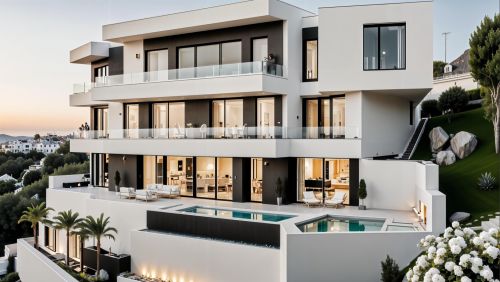
5 bedroom villa for sale in Mijas
- 5 beds
- 6 baths
- Plot: 1,805 m²
- Interior: 465 m²
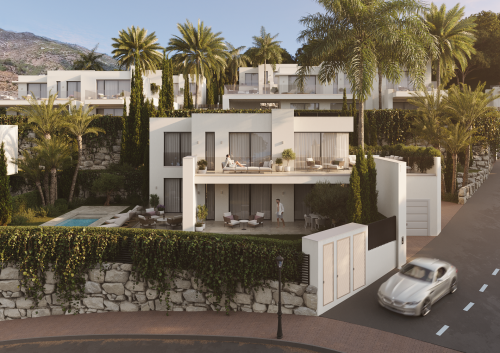
4 bedroom villa for sale in Mijas Pueblo, Mijas
- 4 beds
- 4 baths
- Plot: 580 m²
- Interior: 150 m²
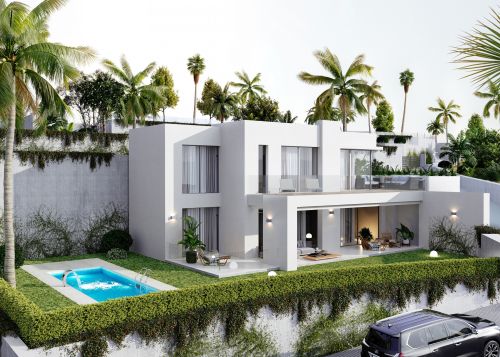
4 bedroom villa for sale in Mijas
- 4 beds
- 4 baths
- Plot: 580 m²
- Interior: 150 m²
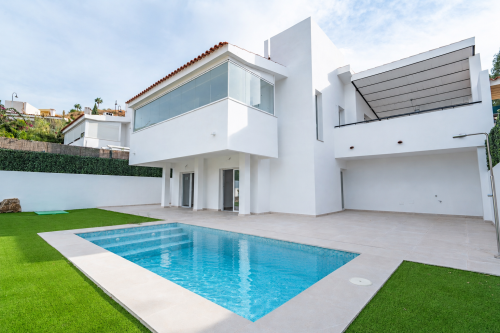
4 bedroom villa for sale in Mijas Pueblo, Mijas
- 4 beds
- 3 baths
- Plot: 340 m²
- Interior: 187.42 m²
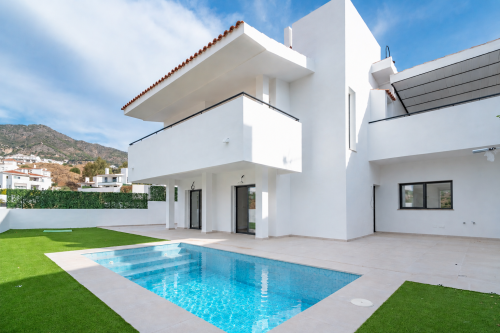
4 bedroom villa for sale in Mijas Pueblo, Mijas
- 4 beds
- 3 baths
- Plot: 339 m²
- Interior: 195.47 m²
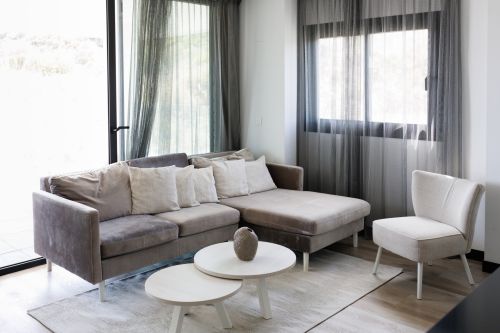
3 bedroom apartment for sale in Mijas
- 3 beds
- 2 baths
- Plot: 34.98 m²
- Interior: 79 m²
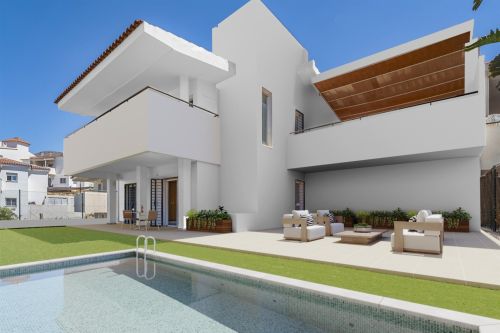
3 bedroom villa for sale in Mijas Pueblo, Mijas
- 3 beds
- 2 baths
- Plot: 344 m²
- Interior: 164.86 m²
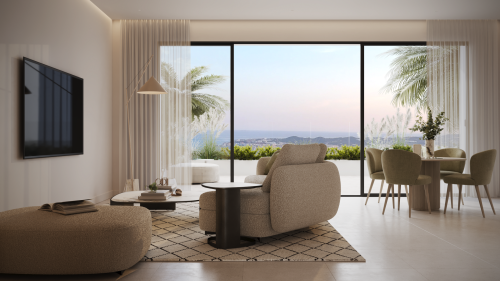
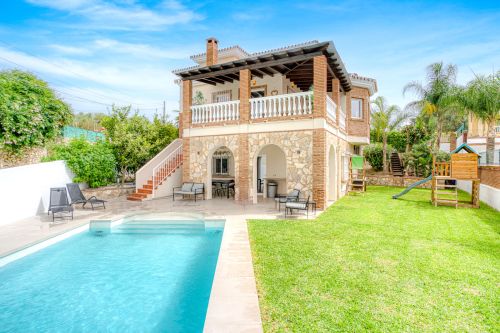
6 bedroom villa for sale in Mijas
- 6 beds
- 4 baths
- Plot: 658 m²
- Interior: 360 m²
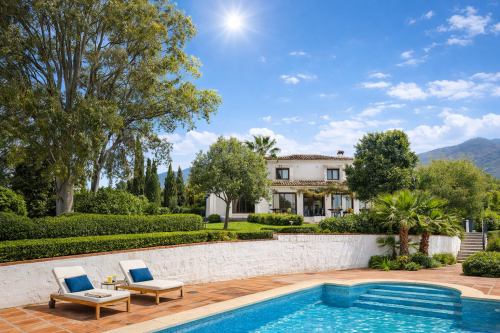
5 bedroom house for sale in Valtocado, Mijas
- 5 beds
- 4 baths
- Plot: 41,000 m²
- Interior: 378 m²
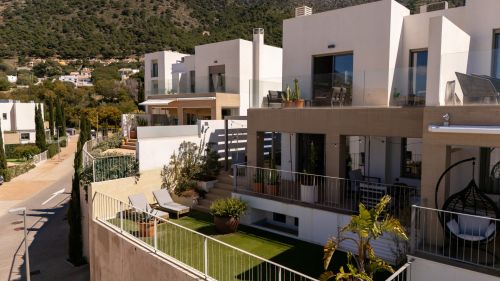
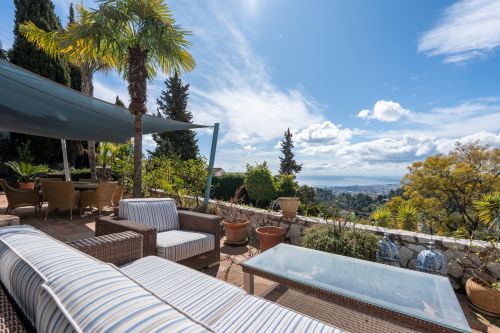
4 bedroom villa for sale in Mijas Pueblo, Mijas
- 4 beds
- 4 baths
- Plot: 1,974 m²