Inside The Renovated Museo Del Mar
Estepona Museo del Mar has spent the past few months completing a significant renovation, adding a new immersive room and reorganising its galleries inside the old bullring that has housed the museum since it first opened in November 2025. The building itself, the Plaza de Toros that once drew bullfighting crowds to the edge of the old town, now holds one of the more unexpected cultural additions to this stretch of coast, and the refreshed layout gives it considerably more room to tell Estepona’s maritime story properly.
Anyone browsing property for sale in Estepona this autumn should know the town is investing in precisely this kind of cultural infrastructure, the sort of addition that rarely moves a price on its own but steadily reinforces why buyers keep choosing this particular stretch of coast over its neighbours. A functioning museum inside a repurposed bullring says something about a town’s confidence in its own identity that a new apartment block never quite manages.
The renovation has not changed the museum’s fundamental purpose. It remains built around a single remarkable private collection, now displayed with more space to breathe and a new centrepiece room that addresses a part of the local coastline most visitors never think to look for.
What stands out about this particular project is how modest it is in scale while still being genuinely well executed. Estepona has not built a sprawling new cultural centre or commissioned an architectural statement piece. It has taken an existing building, kept its character, and used the renovation budget to deepen what was already there rather than chase novelty for its own sake. That restraint tends to produce better museums than grander ambitions usually manage.

The Posidonia Room
The headline addition is a new immersive chamber recreating a posidonia meadow, also known as Neptune grass, complete with screens and interactive displays that let visitors explore how these underwater plants support biodiversity, keep coastal waters clear and protect beaches from erosion. It is an ambitious thing for a town museum to attempt, translating an entirely underwater ecosystem into something a visitor can stand inside and understand within a few minutes.
Posidonia oceanica meadows grow slowly and recover from damage even more slowly, which is precisely why a dedicated room explaining them matters. The plant carpets the seabed in long green ribbons, shelters juvenile fish, and anchors sand that would otherwise wash away during winter storms. A healthy meadow just offshore is one of the quieter reasons a coastline stays attractive decade after decade, holding the sand in place well before any sea wall or groyne gets involved.
The room’s screens and interactive panels are designed to make that case without requiring a diving certificate. Visitors who have never given a second thought to what lies beneath the water off Estepona’s beaches now have a reason to, and the museum has built an entire space around making that case memorably rather than academically.
Posidonia meadows do more than hold sand in place. They also fix carbon dioxide and produce oxygen at a rate that has drawn serious scientific attention in recent years, and a mature meadow can be centuries old, growing by only a few centimetres annually. None of that is obvious from a beach towel, which is exactly the gap the new room is built to close. A visitor who spends ten minutes in that space is likely to look at the sea off Estepona rather differently on the way out.

The López Mateo Collection
At the museum’s core is the López Mateo Collection, assembled over decades by fisherman and collector Miguel López Mateo and now rated among the finest of its kind in Spain. The renovation has rehoused the collection across three large display cabinets, with bulkier items moved to a more spacious area and the visitor route reorganised so the pieces read in a more logical sequence than the original layout allowed.
The collection itself spans navigation instruments, nineteenth century diving gear and traditional fishing tackle, the kind of material that tends to disappear from working harbours once they modernise and nobody thinks to keep the old equipment. That it survived at all, let alone in large enough quantity to fill three cabinets, says something about how seriously López Mateo took the task of preserving it. Estepona’s own guide to Estepona touches on the town’s fishing heritage, and the museum is now the clearest place to see that heritage made physical rather than simply described.
Reorganising a collection this size is not a trivial undertaking, and the fact that the museum chose to do it properly, rather than simply bolting on a new room and leaving the rest untouched, suggests the renovation was treated as a genuine upgrade rather than a quick refresh timed to a reopening date. It is the kind of detail that is easy to overlook on a first visit and obvious on a second one, once a returning visitor notices how much more coherent the whole space now feels.
Private collections like this one rarely survive intact. Equipment gets sold piecemeal, relatives disperse it, or it simply rots in a shed once nobody remembers why it mattered. That López Mateo’s collection not only survived but grew into something a public institution wanted to display properly says as much about one man’s persistence as it does about the museum itself. Estepona is fortunate that the two interests, a private collector’s and a town’s, ended up aligned so neatly.
New Panels And Short Films
Beyond the posidonia room and the reorganised cabinets, the museum has added large format panels covering fishing, marine conservation, riverside carpentry and the canning trade, alongside local traditions that tie the collection back to the town around it. Three short films now run on a monitor within the museum, covering the biodiversity of the Alborán Sea, traditional boat building techniques and the Virgen del Carmen festival that honours the patron saint of sailors and fishermen each summer.
That combination of static panels and short film content is a sensible way to hold the attention of visitors who might otherwise walk past a glass cabinet of nineteenth century tools without a second glance. The canning trade panel in particular connects to an industry that shaped the Costa del Sol’s coastal towns long before tourism did, when preserving the catch was as important as landing it.
The Virgen del Carmen film is a nice touch for anyone who has spent a summer on this coast without quite understanding what the July processions down to the water are about. It turns a tradition that visitors often observe from a distance into something explained properly, inside a building a short walk from where the procession itself ends.
Why Estepona’s Coastline Grows Posidonia
Estepona’s stretch of coastline holds one of only four posidonia populations recorded in Málaga province, which is precisely why the museum chose to build an entire room around the subject rather than treating it as a single panel among many. A meadow of this kind does not appear everywhere along the Costa del Sol, and its presence here is as much a statement about water quality as it is a piece of marine trivia.
The posidonia connection also threads back into the town’s broader environmental story. Our piece on the Estepona corredor litoral coastal path covered how the town has invested heavily in protecting and improving access to its shoreline in recent years, and a healthy seagrass meadow just offshore is the kind of asset that work is ultimately there to protect. A coastal path is only as valuable as the coastline it runs alongside, and a thriving posidonia bed is a reasonable measure of how well that coastline is holding up.
For a town whose economy increasingly depends on people wanting to live beside this particular sea, having one of only four such meadows in the province is a fact worth a museum room of its own. It is a quiet selling point rather than a headline one, but it is the sort of detail that tends to matter more the longer someone actually lives here.
From Bullring To Museum
The decision to house a maritime museum inside a former bullring was never an obvious one, and it is worth pausing on why it works. Estepona’s Plaza de Toros sits close to the old town and the seafront, giving it a natural catchment of visitors who are already walking between the harbour and the historic centre. Repurposing a building of that scale for a museum rather than letting it sit idle between events is the kind of practical reuse that towns with less confidence in their own cultural offer rarely attempt.
The building’s own history as a bullring is not erased by its new purpose, and the contrast between the two uses, one loud and seasonal, the other quiet and permanent, gives the museum a slightly unusual character compared with a purpose built gallery. Visitors walking through the renovated galleries are, in a sense, walking through two layers of the town’s history at once.
Bullrings across Andalucía have faced the same question for years as traditional attendance has declined in many towns, and plenty sit unused for most of the calendar. Estepona’s answer, folding a working museum into a building that still occasionally hosts its original purpose, gives the Plaza de Toros a second income stream and a reason to stay maintained even outside the bullfighting season. It is a practical solution to a problem several neighbouring towns have not yet worked out how to solve.

Estepona’s Old Town Around The Museum
A visit to the museum sits naturally alongside the rest of Estepona’s old town, where plazas such as Plaza Dr Acre have become the kind of place locals and visitors alike gather for a coffee under the orange trees rather than simply pass through. The old town’s painted murals and flower filled streets have been part of the area’s draw for years, and the museum gives visitors travelling that same route a genuine reason to stop rather than simply photograph the façades and move on.
This kind of layering, a working harbour, a restored old town and now a reorganised museum within walking distance of both, is part of what has made property for sale in Estepona increasingly competitive against Marbella’s more established addresses. Our Estepona property market report has tracked that competitiveness for several quarters, and cultural investment of this kind tends to show up in buyer interest well before it shows up in any official statistic.

A Town Investing In Its Own Identity
The Museo del Mar renovation follows a pattern visible across several of Estepona’s recent projects, each one relatively modest in isolation but cumulatively significant in what they say about the town’s priorities. Readers who followed our coverage of the Estepona port concession will recognise the same underlying logic: investing in public assets that make daily life better for residents tends to pay for itself many times over once buyers notice.
The same logic applies to the town’s growing calendar of events, from the international exposure Estepona picked up when La Vuelta finished a stage here to the local draw of the Estepona food festival each spring. None of these projects alone would reshape how the town is perceived. Together, a renovated museum, a cycling finish watched in 190 countries and a food festival that fills the old town, they add up to a place that keeps giving people reasons to visit, and increasingly, reasons to stay.
For anyone weighing up whether Estepona fits their own search, our what are you looking for tool can help narrow the options, and our full range of property listings gives a current sense of what is available across the town, from the old quarter near the museum to the newer developments further along the coast. Buyers interested in the wider region should also look at our guide to Marbella for a sense of how the two towns compare.

Market report
Download our Q2 2026 Market Report
The Costa del Sol property market continues to evolve, but informed decisions begin with reliable data. Download the JUST Q2 2026 Marbella Property Market Report and gain exclusive insight into one of Europe’s most resilient and internationally driven residential markets.
Research enquiries
James Evans
Sales enquiries
Alina Nouaimeh
Questions
About the report
Is the JUST Market Report free to download?
Yes. The report is available as a complimentary download and provides professional analysis of the Marbella, Estepona and Benahavís property markets.
Who is the report designed for?
The report is written for buyers, sellers, investors, developers, relocation clients, family offices and anyone seeking accurate, data-led insight into the Costa del Sol property market.
Where does the data come from?
Our analysis uses official information from Registradores de España, INE, Notariado, Tinsa, Banco de España and other recognised industry sources, combined with our own market observations and research.
How often is the report updated?
JUST Real Estate publishes a comprehensive market report every quarter, ensuring readers have access to the latest available market intelligence.
Listings
Our latest listings
A selection from our current listings, with the full range on our properties page.

5 bedroom villa for sale in Mijas
- 5 beds
- 6 baths
- Plot: 1,805 m²
- Interior: 465 m²
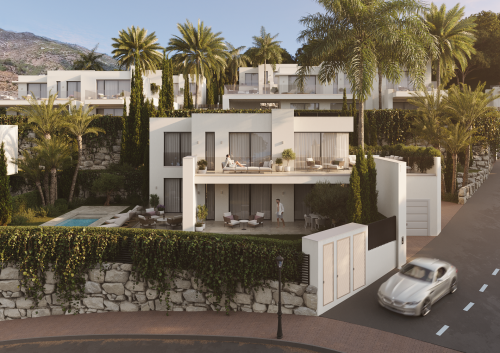
4 bedroom villa for sale in Mijas Pueblo, Mijas
- 4 beds
- 4 baths
- Plot: 580 m²
- Interior: 150 m²
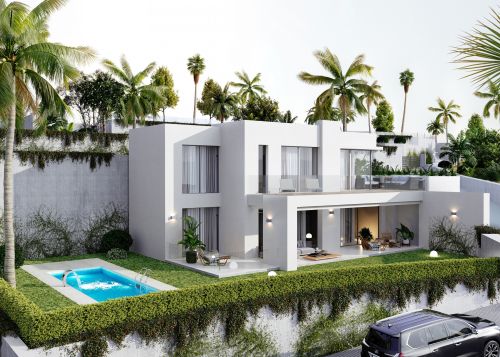
4 bedroom villa for sale in Mijas
- 4 beds
- 4 baths
- Plot: 580 m²
- Interior: 150 m²
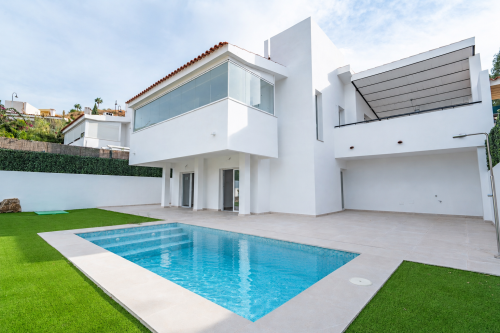
4 bedroom villa for sale in Mijas Pueblo, Mijas
- 4 beds
- 3 baths
- Plot: 340 m²
- Interior: 187.42 m²
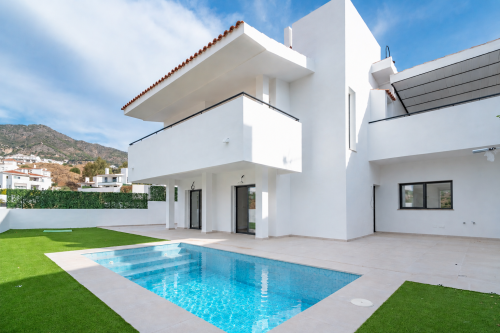
4 bedroom villa for sale in Mijas Pueblo, Mijas
- 4 beds
- 3 baths
- Plot: 339 m²
- Interior: 195.47 m²
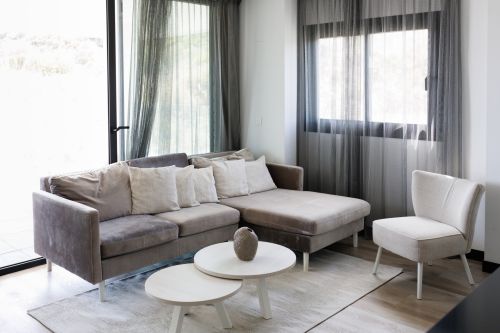
3 bedroom apartment for sale in Mijas
- 3 beds
- 2 baths
- Plot: 34.98 m²
- Interior: 79 m²

3 bedroom villa for sale in Mijas Pueblo, Mijas
- 3 beds
- 2 baths
- Plot: 344 m²
- Interior: 164.86 m²
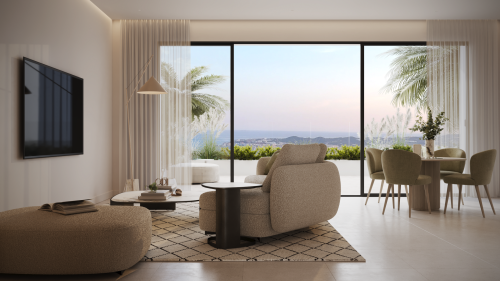
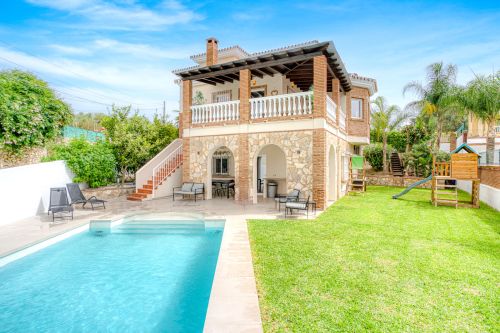
6 bedroom villa for sale in Mijas
- 6 beds
- 4 baths
- Plot: 658 m²
- Interior: 360 m²
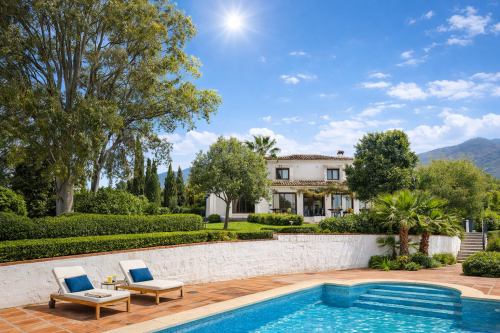
5 bedroom house for sale in Valtocado, Mijas
- 5 beds
- 4 baths
- Plot: 41,000 m²
- Interior: 378 m²
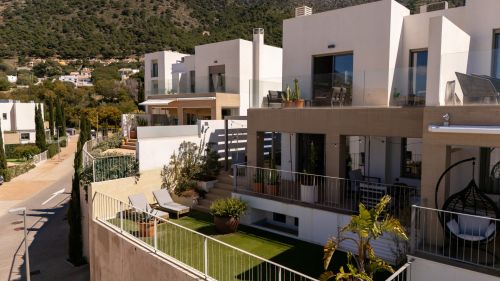
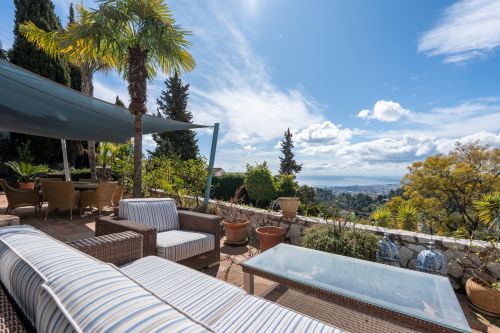
4 bedroom villa for sale in Mijas Pueblo, Mijas
- 4 beds
- 4 baths
- Plot: 1,974 m²