

Area guide · The village, Sabinillas and La Duquesa
Manilva
The last municipality of the Costa del Sol before Cádiz. A village on a hill among moscatel vines, a fishing town on the sand at Sabinillas, and a marina beside an eighteenth century fort at La Duquesa.
Photograph: Té y kriptonita, CC BY-SA 3.0
in Manilva today
for a villa here
the westernmost port in the province
was built on the shore
The place
Where the Costa del Sol ends, in three parts
Manilva is where the province of Málaga ends, and the council describes it as the point where the Costa del Sol meets the Campo de Gibraltar, 97 kilometres from Málaga city and 35 from Gibraltar. It is one municipality made of three quite different places. The village sits on its hill among the vineyards, San Luis de Sabinillas lines the beach below it, and a short way along the shore the marina of Puerto de la Duquesa stands beside the fort it is named for, with the golf course on the slope behind.
Beyond the fort the coast goes quiet, and the last few kilometres to Punta Chullera are coves between rocks and low cliffs with a watchtower above them. The village gives you a working Andalusian town with its vineyards at the door, Sabinillas gives you the sand and a town that still sends boats out to fish, and La Duquesa gives you a boat on the doorstep and eighteen holes behind the house.
This guide sets out how the three came to be, what the fort, the Roman shore and the vines left behind, what living here is actually like, and what the numbers say, including the running costs that no official body publishes and that we hold ourselves.
We are not selling you a postcode at the far end of the coast, we are showing you three ways to live in one small municipality, and helping you work out which of them is yours before you spend a weekend viewing the wrong one.

The Castillo de la Duquesa, built in 1767 beside the beach, a short walk along the shore from the port. Photograph: CarlosVdeHabsburgo, CC BY-SA 4.0.
Where exactly it is
Between the Casares line and Punta Chullera
The coast of Manilva read from Punta Chullera, where the province ends, to the boundary with Casares just past Sabinillas, a little over eight kilometres of beach by the council’s own count. The village carries the pin for the municipality from its hill a couple of kilometres inland, with Sabinillas on the shore below it, the port and the fort side by side further along, and the quiet coast of La Chullera beyond them.

- 1ManilvaPinned on the village, on its hill among the vineyards, with the church of Santa Ana
- 2San Luis de SabinillasThe fishing town on the sand, in front of the busiest beach
- 3Puerto de la DuquesaThe marina, 328 berths, with the golf course on the slope behind
- 4Castillo de la DuquesaThe fort of 1767 and the Roman site around it, in the quarter called El Castillo
- 5Playa de la ChulleraThe quieter shore west of the fort, on the way to the point
- 6Punta ChulleraCoves, low cliffs and two watchtowers, the last ground before Cádiz
Orthophoto PNOA © Instituto Geográfico Nacional de España. Rotated so the area reads across the frame; the north mark keeps it honest. Pins mark the centre of each place, not a boundary.
The fort was already here
A village, a fort and a line of boats, then a town along the shore
The same frame of coast was flown twice, seventy years apart, and the fixed points have not moved. In 1956 the village, the fort and the coast road are there, with vines and field boundaries between them and a fishing settlement at Sabinillas. What fills that ground is most of what Manilva sells today.


Nothing was added to these frames and nothing was moved. The only thing that changes is how much of the ground is spoken for. Historic and current imagery © Instituto Geográfico Nacional de España, both rendered through one frame at one scale.
How it came to be
A fort on a Roman shore, and a village that left Casares
The shore at La Duquesa was an industrial site long before it was a place to keep a boat. Between the first and fifth centuries a Roman settlement stood here with a villa, baths, a necropolis and a large fish salting factory with a market attached, all of it built on the tuna caught off this coast in fixed nets. Further back still, on a hill inland, Los Castillejos de Alcorrín is a walled settlement of the ninth century before Christ, and both sites are declared Bienes de Interés Cultural.
For most of the Middle Ages this was border country, with the land around the river Guadiaro, where the line with Cádiz runs today, as the frontier of the Nasrid kingdom of Granada. Casares surrendered in 1485 and its lands passed to the Duke of Cádiz, and the low ground towards the sea was left empty enough for raiders from North Africa to use. The answer, in 1530, was the Cortijo de Manilva, a farmstead founded to bring people back towards the coast, with the duke handing out plots to settlers from Casares. Sugar cane and vines paid for what followed, and the Ingenio Chico, one of two sugar mills the Duke of Arcos built here, still has its aqueduct.
The fort came in 1767, when a resident of Seville, Francisco Paulino, built the Castillo de la Duquesa at his own expense, on the spot where the Roman villa had stood and partly with its stone, and the king rewarded him with the command of a company of cavalry. The fishing quarter that grew up in its shadow took the fort’s name. Down the coast at Chullera the watch was older. A tower there is named in the coastguard instructions the Catholic Monarchs issued in 1497, and it stands beside a later one today.
Up on the hill the village was outgrowing its parent, and the parish church of Santa Ana was begun in 1776 by the master builder Felipe Pérez over a smaller church of the late sixteenth century, paid for by the bishopric, the villagers and the Duke of Arcos, and finished in 1783. Thirteen years later, in October 1796, the crown granted Manilva its Real Privilegio de Villazgo, and with it a municipal territory of its own and a final separation from Casares.

A house on the slope above La Duquesa. The stock here runs from flats by the marina to houses around the golf and on the hill, which is what three settlements produce and a single estate does not.
The year Francisco Paulino of Seville built the Castillo de la Duquesa at his own expense, over a Roman villa.
Manilva is granted its royal charter and separates from Casares, with a territory of its own.
Living here
Three places, one town hall, open all year
Hospital care for Manilva comes from Estepona, the next town east, where the Hospital de Estepona opened in February 2021 under the regional health service. It serves six municipalities and Manilva is one of them, about fifteen minutes from Sabinillas on the A-7. Behind it stands Hospital Costa del Sol in Marbella, the public hospital for nine municipalities from Manilva to Mijas.
State schooling is all inside the municipality, so the school run stays short. The Junta de Andalucía runs three primary schools here, CEIP San Luis de Sabinillas on the coast, CEIP Pablo Picasso in the village and CEIP Maicandil, with IES Las Viñas as the secondary school, on ground the council handed to the regional government for that purpose.
The A-7 runs along the shore through Sabinillas and past the port, with the AP-7 toll motorway inland of it for the longer runs east. Sotogrande is about ten minutes west, Estepona about fifteen minutes east and Marbella around forty, and the council puts Gibraltar at 35 kilometres and Málaga city at 97, which makes Gibraltar the nearer airport and Málaga a little over an hour away. There is no railway west of Fuengirola, so a car is part of life here.
The beaches run for a little over eight kilometres and change character as they go. Sabinillas, in front of the town, and Las Gaviotas, beside the port, both flew the blue flag in 2026, and beyond the fort the shore turns to the coves of Punta Chullera. The village and the sea are being joined on foot as well. The council is building a pedestrian path between Manilva and Sabinillas, and on 13 November 2026 it signed the land agreements for a second phase of about 300 metres, budgeted at 1.26 million euros.

Puerto de la Duquesa, fishing boats in the basin and the restaurant terraces a few steps away. Photograph: Tyk, CC BY-SA 3.0.
Schools
CEIP San Luis de Sabinillas on the coast, CEIP Pablo Picasso in the village, CEIP Maicandil, and IES Las Viñas for secondary, all state schools inside the municipality.
Healthcare
Hospital de Estepona, opened 2021 and serving six municipalities, about fifteen minutes east, with Hospital Costa del Sol in Marbella behind it.
Getting about
A-7 along the shore, AP-7 inland. About 10 minutes to Sotogrande, 15 to Estepona, 40 to Marbella. Gibraltar is 35 km, Málaga 97.
The beaches
A little over eight kilometres of them. Blue flags in 2026 at Sabinillas and Las Gaviotas, and the coves of Punta Chullera at the far end.
What things cost
What is asked, and what was paid
Two numbers both get called “the price” here, and setting them side by side without saying which is which is how a guide contradicts itself. So they are kept apart. Registered sale prices are published by postcode, and 29691 and 29692 between them are Manilva and nothing else, the village, San Luis de Sabinillas and La Duquesa. The deed figure on this page is Manilva’s own.
Asking prices, per square metre
The bar is the middle half of what is being asked for each type in Manilva right now, from the cheapest quarter to the dearest. The number in the row is the typical figure. Nothing here has necessarily sold at these prices; that is what the panel beside it is for.
Asking prices per built square metre, resale stock listed in Manilva, 783 properties in total, as at 8 August 2026. From our own records.
What buyers actually paid
Every figure here is a registered deed price, the amount declared in front of a notary when the sale completed, for postcode 29691 and 29692. Homes completed this year at a typical €2,467 per square metre, 1 per cent below Manilva as a whole. Houses went for €3,014 over an average 132 square metres, against €3,046 for a house in Manilva as a whole.
Read the two panels together and the lesson is the usual one: asking prices run over standing stock, which quietly accumulates every overpriced home that never sells, while deeds count only what traded. The gap between them is mostly that selection effect, not a discount waiting to be claimed.
- Postcode 29691 and 29692, all homes€2,4671,053 deeds
- Postcode 29691 and 29692, apartments€2,304859 deeds
- Postcode 29691 and 29692, houses€3,014194 deeds
- Manilva, all homes€2,4811,047 deeds
- Manilva, houses€3,046192 deeds
JUST Real Estate analysis of registered deed prices, Portal Estadístico del Notariado, rolling 12 months, captured 15 August 2026. Postcodes 29691 and 29692 together cover Manilva village, San Luis de Sabinillas and La Duquesa. Prices are moving: the official house price index for Andalucía rose 4.1 per cent in the year to 2025 Q4 (INE); the index is not published below regional level.
What you can buy
The stock that actually exists here
for sale in Manilva
52% of the stock
25% of the stock
8% of the stock
No official body publishes what is available to buy, only what has already sold, so this part comes from our own intelligence. Through our network memberships we see every resale property listed through an agency on this coast, which means we know both what is genuinely on the market in Manilva and where the same home is being advertised more than once. This covers resale stock only, not new construction sold directly by developers.
The shape of what comes to market follows the three settlements, with a little over half of everything listed an apartment and a quarter a house, and penthouses and townhouses filling in between. That is what a beach town, a marina and a hill village with a golf course between them would be expected to produce. Building land is a real slice of the stock as well. The general plan in force was approved in 1994, and in February 2026 the regional government issued its environmental report on a change to it covering two large residential sectors inland, so the planning position of a plot is something we check before you view it.
- Apartments40652% of listings
- Houses and villas19825% of listings
- Plots598% of listings
- Penthouses496% of listings
- Townhouses385% of listings
Resale stock listed in Manilva as at 8 August 2026, from our own records. Treat it as accurate to within five to ten per cent: a few near identical apartments in the same building are not always recognised as the same home when the sources are brought together.
Asking prices and supply as at 8 August 2026 · deed prices captured 15 August 2026 · refreshed each week
What it costs to own
The figure nobody official publishes
Every buyer eventually asks what a home here costs to hold, and no public body answers it. We can, because we record it. Across the Manilva listings that publish their running costs, the median annual property tax, the IBI, is €615, and the median community charge is €1,644. Together that is €2,259 a year before utilities, garden and pool.
It is the lightest bill of any address at this end of the coast, on either side of the provincial line. Estepona town, fifteen minutes east, runs at €2,522 a year on the same measure and Casares at €3,088, and Sotogrande, ten minutes west in Cádiz, at €4,387. The community charge accounts for most of the difference in each case.
None of that is a reason to hesitate anywhere, it is a reason to know the number before you make an offer rather than after, and to have it in front of you when a seller’s agent tells you the fees are modest.
per year
per year
per year

From our own records, 475 listings publishing running costs, as at 8 August 2026.
Manilva compared to nearby areas
The western end of the coast, in four addresses
Manilva sits between better known names, and a buyer who looks here usually looks at the other three as well. Casares wraps around it inland and along the shore to the east, Estepona is the big town beyond, and Sotogrande begins a few minutes past Punta Chullera, across the provincial line in Cádiz.
| Address | Typical asking, per m² | Listed | Running costs, per year | Character |
|---|---|---|---|---|
| Manilva | €3,239 | 405 apartments | €2,259 | A hill village, a fishing town and a marina, with the widest spread of prices |
| Casares | €3,704 | 263 apartments | €3,088 | A white village inland and golf resorts on its strip of coast |
| Estepona town | €4,957 | 851 apartments | €2,522 | The working town to the east, with its old quarter, port and hospital |
| Sotogrande | €4,696 | 449 houses and villas | €4,387 | The estate across the provincial line, houses on large plots around polo and golf |
Typical is the median asking price per built square metre for the type of home most listed in each area, named beside the count (houses and villas, or apartments), as at 8 August 2026; running costs are the median annual IBI plus community charge where enough listings publish them. From our own records.
Manilva is the least expensive of the four to buy into and the least expensive to hold. What the others give you for the difference is a name and something specific, the resort golf at Casares, the full town at Estepona, the plots and the polo at Sotogrande. What Manilva gives you is a marina, a beach town and a hill village inside ten minutes of each other, and Gibraltar closer than any address in the province. Which of those matters more depends on how you plan to use the home, and that is a conversation rather than a table.
Wider context: our property market data behind every figure on this page.
Who buys here
Three buyers, and what Manilva gives each of them
The year-round home.
Manilva had 18,165 residents at the last official count, spread across the village, Sabinillas and El Castillo, and it runs as a town in every month. The town hall and the parish church are on the hill, Sabinillas has the shops and the beach, there are state primary schools in both and a secondary school for the municipality, and the hospital at Estepona is a short drive east.
The boat and the golf bag.
A berth at Puerto de la Duquesa and a tee time on the Robert Trent Jones course behind it are a few minutes apart, and homes on the slope between them have both within reach. Two beaches here flew the blue flag in 2026, Sabinillas and Las Gaviotas beside the port, and Sotogrande is about ten minutes further west.
The buyer who looks at value first.
Manilva asks less for a home than Casares, Estepona or Sotogrande on either side of it, and it costs less to hold once you own it. For a buyer who works in Gibraltar, or who wants the western end of the coast without paying for a better known name, those two facts carry most of the decision.
Common questions
Questions we are asked about Manilva
What is the difference between Manilva, Sabinillas and La Duquesa?
They are three parts of one municipality, a few minutes apart, and each is a different place to live. Manilva itself is the village on the hill, a couple of kilometres inland among the vineyards, with the town hall and the church of Santa Ana. San Luis de Sabinillas is the fishing town on the beach below it. La Duquesa, which the council calls El Castillo, is the quarter around the eighteenth century fort, with the marina of Puerto de la Duquesa beside it and the golf course behind. The postcodes are 29691 and 29692.
How far is Manilva from Gibraltar and Málaga airport?
The council puts Manilva 35 kilometres from Gibraltar and 97 from Málaga city, so Gibraltar is the nearer airport and Málaga is a little over an hour away on the toll motorway. Sotogrande is about ten minutes west and Estepona about fifteen minutes east. There is no train on this part of the coast.
Which beaches in Manilva have a blue flag?
Two of them flew it in 2026, Sabinillas, in front of the town, and Las Gaviotas, beside Puerto de la Duquesa, which was added that year. The port itself renewed its own blue flag for the twenty eighth year.
What type of property for sale in Manilva is most common?
Apartments come first and houses second, which follows from a beach town and a marina with a hill behind them. Of the 783 resale properties currently listed here, 406 are apartments and 198 are houses, with 49 penthouses, 38 townhouses and 59 plots of land alongside them.
What does it cost to run a home in Manilva?
A home here costs less to hold than in any of the addresses around it, and the figures are ours. Across the listings that publish their running costs, the median annual IBI is €615 and the median community charge €1,644, together €2,259 a year before utilities and garden. Casares, next door, runs at €3,088 on the same measure. No official body publishes this figure. It comes from our own records.
What is the Castillo de la Duquesa?
It is a coastal fort built in 1767 by Francisco Paulino, a resident of Seville, at his own expense, to a plan by the engineer Miguel del Castillo. It stands on the site of a Roman villa and reused some of its stone, with the remains of Roman baths and a fish salting factory around it, and the municipal archaeological museum is inside.
For sale now
Current property for sale in Manilva
A selection of what is for sale in Manilva right now. Every home we are listing here, with asking prices, is on the page for property for sale in Manilva.
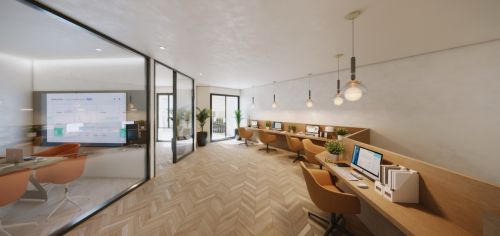
3 bedroom penthouse for sale in Castillo de la Duquesa, Manilva
- 3 beds
- 2 baths
- Interior: 98.84 m²
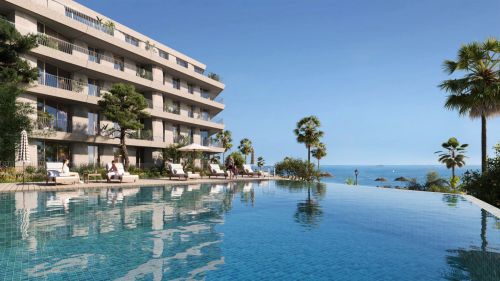
2 bedroom ground floor apartment for sale in Castillo de la Duquesa
- 2 beds
- 2 baths
- Interior: 70.04 m²
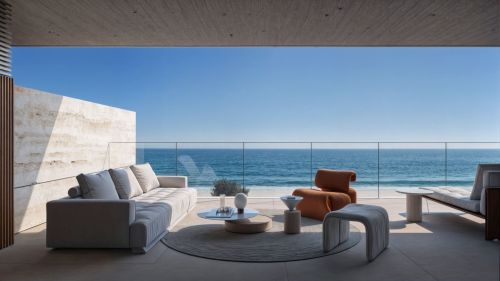
3 bedroom penthouse for sale in Chullera, Manilva
- 3 beds
- 2 baths
- Interior: 146.2 m²
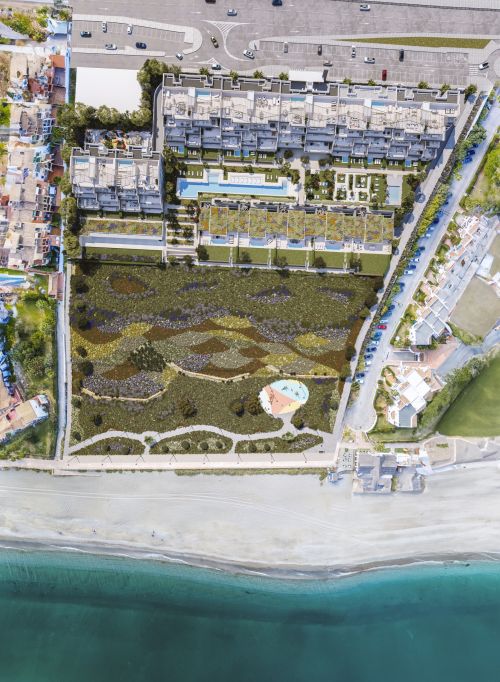
3 bedroom ground floor apartment for sale in Chullera, Manilva
- 3 beds
- 2 baths
- Interior: 112.35 m²
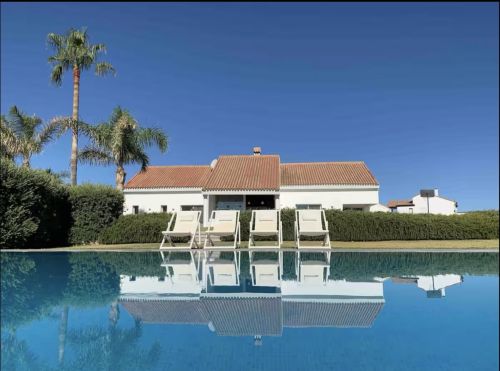
6 bedroom villa for sale in Manilva
- 6 beds
- 7 baths
- Plot: 10,000 m²
- Interior: 661 m²
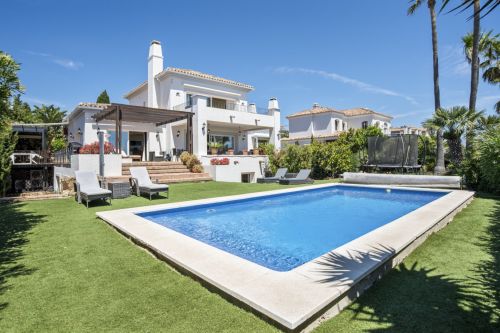
4 bedroom villa for sale in Manilva
- 4 beds
- 5 baths
- Plot: 899 m²
- Interior: 397 m²
Free download
The Marbella Buyers Guide
Everything a buyer needs before the first viewing in Manilva or anywhere else on the coast: the purchase process step by step, the taxes and fees, the checks that decide whether a property is sound, and how the market has actually been behaving.
- ProcessReservation, private contract, completion at the notary, and the timings between them.
- CostsTransfer tax, VAT on new build, notary, registry and legal fees, worked through on a real price.
- ChecksCadastre, land registry, planning status, community accounts and running costs.
Prefer to read it online? The buyers guide page. Every figure on this page sits in our property market data.

Talk to us
Tell us how you want to live in Manilva
The village, Sabinillas and La Duquesa are three different lives at three different prices, and the difference is not only money. Tell us what the days should look like, and we will send you the streets that deliver it, with the honest drawbacks of each and the running costs in front of you before you view.
A person reads this and a person replies, usually the same day. No automated drip, no passing your details to another agency, and no obligation to view anything.
We have 25 years of experience in this market.
