Marbella Old Town grew around a Moorish castle built in the 10th century, and on 11 June 1485 it passed to the Crown of Castile without a battle. The Catholic Monarchs made it a city, and the Plaza de los Naranjos was laid out in that same period on Castilian lines. More than five centuries later the streets around that square keep roughly their 16th century layout, which is why one afternoon on foot in Marbella Old Town covers a long stretch of Spanish history.
Five places explain Marbella Old Town better than any map, and each of them has a date attached. Our page on Marbella Old Town property for sale shows what is available in the historic centre today, and our guide to Marbella places the Old Town within the wider town. What follows is the story behind the white facades, written for people who want to understand the neighbourhood before they choose a street in it.
The Moorish wall and the conquest of 1485
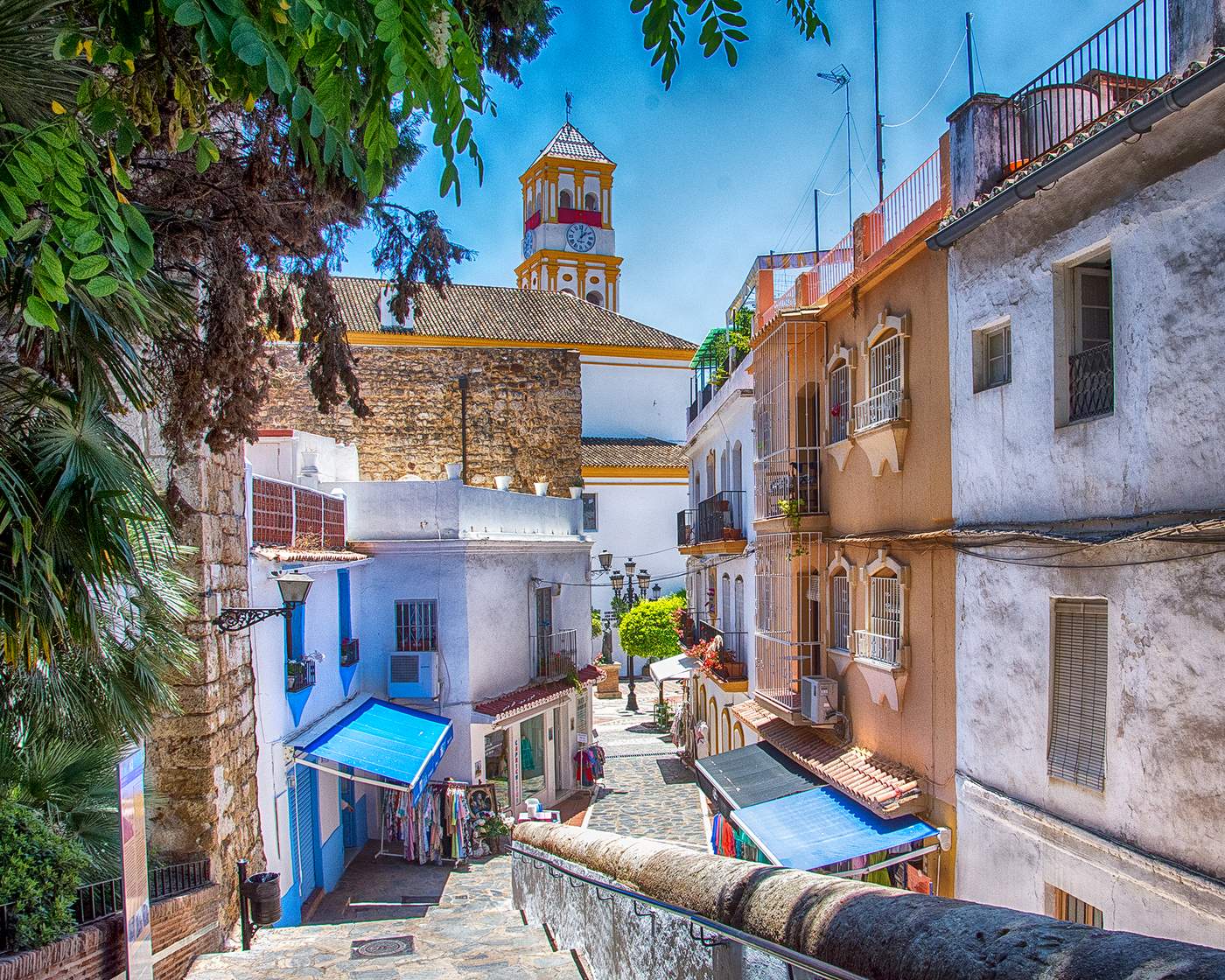
The Muslim town fortified itself after Norman raids on the Málaga coast, building a castle in the 10th century and then watchtowers and a surrounding wall. The alcazaba and the mosque were the most important buildings of that town, and the remains of the castle and its wall can still be seen in the centre today. A long crenellated stretch of wall survives beside the road, and it is one of the few places in Marbella where a thousand years of the town sit in a single photograph.
The town passed to the Crown of Castile in 1485, during the war for Granada, and the transfer was bloodless. The Catholic Monarchs granted the title of city and kept Marbella as royal land, which made it a regional centre. The Plaza de los Naranjos was built in this period, following Castilian urban designs, so the Marbella Old Town of today carries a Castilian layer on top of an Arab one.

Seen together, the wall and the square explain how Marbella Old Town is organised. The Arab town gave the district its defensive outline, and the Castilian town added the open square and the civic buildings that face it. That mixture is why a short walk inside Marbella Old Town moves from tight, shaded lanes into open, sunlit squares and back again within a few minutes.
The Plaza de los Naranjos and the three buildings around it
The Plaza de los Naranjos dates from 1485 and is the room where Marbella Old Town meets. Three historic buildings frame it, the Casa Consistorial, which is the town hall, the Casa del Corregidor and the Ermita de Santiago. The town hall and the Casa del Corregidor are both sixteenth century buildings, and the Ermita de Santiago is usually described as the oldest religious building in Marbella.
A Renaissance fountain stands in the middle of the square, and the orange trees around it were planted in 1941, which is where the name comes from. Terraces fill the shade in the warmer months, and the square is the place residents and visitors use to meet, to eat and to cross from one side of the Old Town to the other. For anyone living within a few streets, the Plaza de los Naranjos works as the shared living room of Marbella Old Town.
The square also sets the pace for the surrounding streets. Calle Ancha, Calle Tetuán and Calle Peral lead off it into narrower lanes where the food is local, and the whole district stays compact enough to cover on foot. That compactness is the quality buyers in Marbella Old Town mention most often, and it comes straight from a layout that is five hundred years old.
Streets that kept their sixteenth century plan
The historic centre keeps much of its medieval street pattern, so the lanes bend and narrow where the old town walls and houses once dictated the route. White walls, iron balconies and flowerpots run the length of most of them, and the lanes open without warning onto small squares. The western edge of the Old Town reaches as far as Calle Huerta Chica, and the Barrio Alto, also known as the Barrio de San Francisco, is one of its historic quarters.
Marbella keeps investing in the public realm around these streets. The council finished the renovation of more than 1,000 metres of pedestrian walkways across several areas of the city in early 2026, which we covered in our post on the walkway programme, and the works included new surfaces and better drainage, the kind of detail that keeps a historic centre comfortable for everyday use. Owners in Marbella Old Town benefit from a town that keeps reinvesting in its streets.
The Hospital Bazán and its engravings
The Hospital Bazán was built in the first half of the 16th century, in two stages, and part of it is in the Mudéjar style that grew out of late medieval Spain. It exists because of a will. Alfonso de Bazán, who lived in Marbella, left two adjoining houses to be turned into a hospital for the poor of the neighbourhood, and the chapel he added doubled as the Bazán family crypt.
A board of directors ran the hospital until the early 20th century, and Trinitarian friars provided the pastoral care from a monastery next door that no longer stands. The building is an Andalusian Historical Monument today, and it houses the Museo del Grabado Español Contemporáneo. The foundation behind the museum was set up in 1992 and its collection runs from engravings of the 15th century to works by Picasso, Dalí, Tàpies and Miró, which gives Marbella Old Town a significant art collection in a 16th century hospital.
JUST Real Estate has tracked sold data over many years and has compiled the JUST Intelligence Database™, which holds data no other agency has. We can accurately compare your property to neighboring sales and stats, so our competitive market analysis gives you the advantage in a buyer’s market.
The Encarnación church and the Plaza de la Iglesia
The church of Nuestra Señora de la Encarnación is a Baroque building, begun in 1618, and it stands on the Plaza de la Iglesia at the quieter end of the Old Town. Inside, a gilded altarpiece fills the nave with gold and white, and from outside the tower is the landmark that tells you which direction you are walking in. It is the second great anchor of Marbella Old Town after the Plaza de los Naranjos.

The Plaza de la Iglesia itself is smaller and calmer than the main square. Palms and orange trees shade an old stone wall and a statue stands near the corner, so the square has the feel of a village plaza inside Marbella Old Town. Neighbours cross it on the way to the church and the streets beyond, and it offers a quieter pause than the terraces of the main square.

The Alameda between Marbella Old Town and the sea
The Paseo de la Alameda lies between Marbella Old Town and the sea and contains a small botanical garden. Tiled benches, fountains and shaded paths make it the green lung of the centre, and it is the way most people walk from the historic streets to the promenade. The Alameda is also what gives the Old Town its position, with the coast a stroll to the south and the mountains behind it on the north.

That position matters for daily life. The beach, the shops of the modern centre and the old streets sit within one walkable area, so a household in Marbella Old Town can run the week without a car. East and west of the centre the coast opens out, and the Golden Mile begins on the western side of town, which keeps the larger villa districts within easy reach for anyone who wants both worlds.
Living in Marbella Old Town
Homes in the historic centre are mostly apartments and townhouses on narrow streets, and the best of them have been renovated behind traditional white frontages. Buyers choose Marbella Old Town for the same reasons that visitors do, which are the squares, the walkability and a sense of belonging to a place with a long past. Residents value a district where shops, restaurants and the sea are all within walking distance of the door.
Many buildings in the Old Town are historic, and what can change inside each one depends on the building itself. That works in favour of owners, because the facades and the street scene that attract buyers today stay in character for the buyers who follow. Renovations inside the walls can be extensive, and we guide owners through what a particular building allows before any work starts.
Our team works in six languages, including English, Spanish, French, Italian, Arabic and Romanian, so buyers from different countries can have the story of each street explained in their own language. Marbella Old Town draws interest from several countries at once, and the questions are the same from all of them, covering heritage rules, renovation and the walk to the beach.
We hold sales records for the historic centre, built up over years, and we set any home in Marbella Old Town against them before we advise on a price. Nobody can read a fair figure off an asking price in a district where every building is different, which is why comparing against closed sales matters more here than in a modern urbanisation. Owners who want a first number can use our valuation calculator, and those thinking of selling with JUST get the comparison done by us in full.
Buyers looking at the centre can see what is available now on our Marbella centro pages and across all properties, or tell us what they are looking for and we will bring the right homes in Marbella Old Town to them before they reach the portals. Our Marbella buyers guide sets out the purchase process from the first viewing to completion for anyone buying in Spain for the first time.
Marbella Old Town in five quick answers
Where is Marbella Old Town?
Marbella Old Town, known in Spanish as the Casco Antiguo, sits in the centre of Marbella around the Plaza de los Naranjos. The Alameda and the sea lie to its south, and the Golden Mile begins on the western side of town.
How old is Marbella Old Town?
The Moorish castle dates from the 10th century and Marbella passed to the Crown of Castile on 11 June 1485. The Plaza de los Naranjos was laid out in that period, and the streets around it keep roughly their 16th century layout.
What is there to see in Marbella Old Town?
The Plaza de los Naranjos with the town hall, the Casa del Corregidor and the Ermita de Santiago is the centre. Nearby are the Hospital Bazán with the engraving museum, the Baroque Encarnación church begun in 1618, the surviving Moorish wall and the Alameda park.
Who built the Hospital Bazán and what is inside it today?
The Hospital Bazán was funded by the will of Alfonso de Bazán in the first half of the 16th century as a hospital for the poor. It is an Andalusian Historical Monument and houses the Museo del Grabado Español Contemporáneo, whose foundation was set up in 1992.
Is Marbella Old Town a good place to live?
Many residents value the compact layout, the squares and the short walk to the sea. Every building in Marbella Old Town is different, so ask us and we will tell you what comparable homes in the historic centre have sold for.

Market report
Download our Q2 2026 Market Report
The Costa del Sol property market continues to evolve, but informed decisions begin with reliable data. Download the JUST Q2 2026 Marbella Property Market Report and gain exclusive insight into one of Europe’s most resilient and internationally driven residential markets.
Research enquiries
James Evans
Sales enquiries
Alina Nouaimeh
Questions
About the report
Is the JUST Market Report free to download?
Yes. The report is available as a complimentary download and provides professional analysis of the Marbella, Estepona and Benahavís property markets.
Who is the report designed for?
The report is written for buyers, sellers, investors, developers, relocation clients, family offices and anyone seeking accurate, data-led insight into the Costa del Sol property market.
Where does the data come from?
Our analysis uses official information from Registradores de España, INE, Notariado, Tinsa, Banco de España and other recognised industry sources, combined with our own market observations and research.
How often is the report updated?
JUST Real Estate publishes a comprehensive market report every quarter, ensuring readers have access to the latest available market intelligence.
Listings
Our latest listings
A selection from our current listings, with the full range on our properties page.
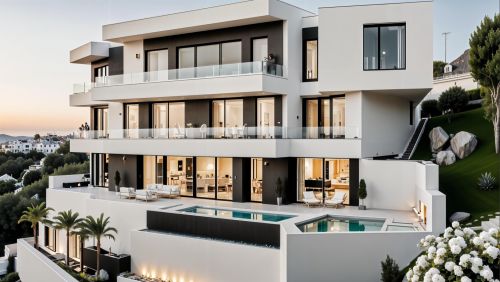
5 bedroom villa for sale in Mijas
- 5 beds
- 6 baths
- Plot: 1,805 m²
- Interior: 465 m²
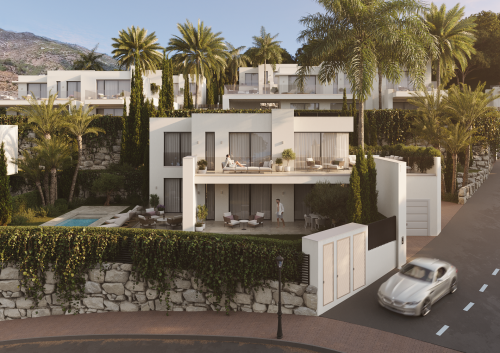
4 bedroom villa for sale in Mijas Pueblo, Mijas
- 4 beds
- 4 baths
- Plot: 580 m²
- Interior: 150 m²
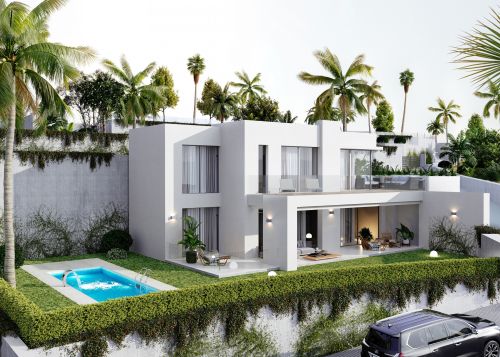
4 bedroom villa for sale in Mijas
- 4 beds
- 4 baths
- Plot: 580 m²
- Interior: 150 m²
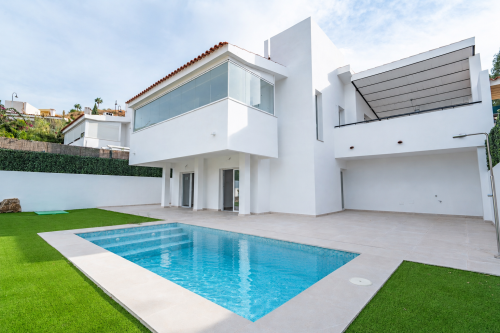
4 bedroom villa for sale in Mijas
- 4 beds
- 3 baths
- Plot: 340 m²
- Interior: 187.42 m²
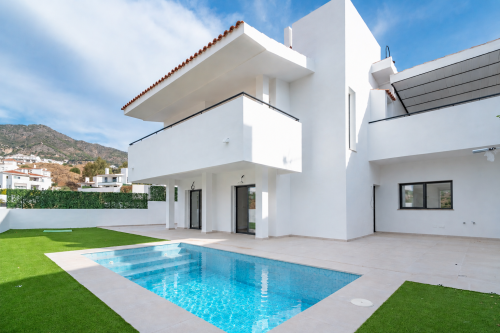
4 bedroom villa for sale in Mijas
- 4 beds
- 3 baths
- Plot: 339 m²
- Interior: 195.47 m²
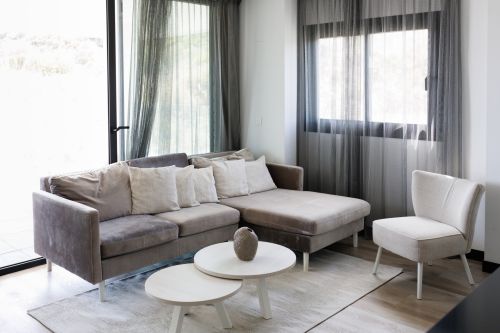
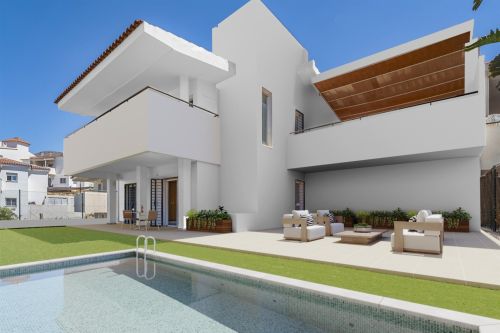
3 bedroom villa for sale in Mijas
- 3 beds
- 2 baths
- Plot: 344 m²
- Interior: 164.86 m²
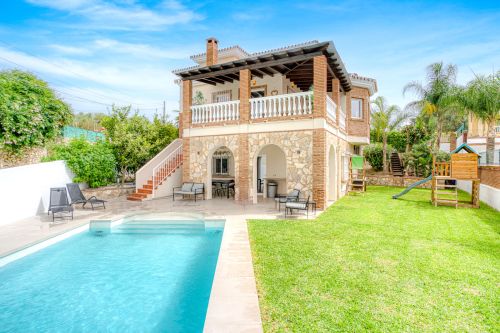
6 bedroom villa for sale in Mijas
- 6 beds
- 4 baths
- Plot: 658 m²
- Interior: 360 m²
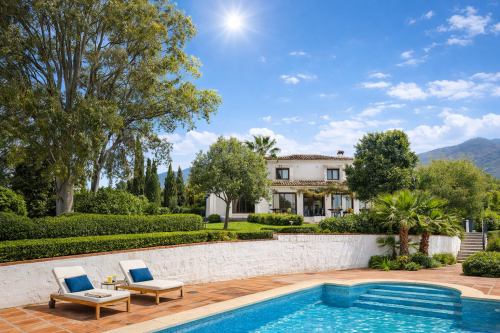
5 bedroom house for sale in Valtocado, Mijas
- 5 beds
- 4 baths
- Plot: 41,000 m²
- Interior: 378 m²
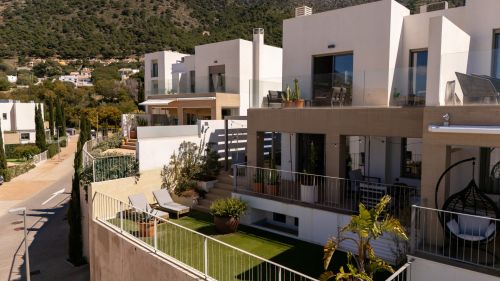
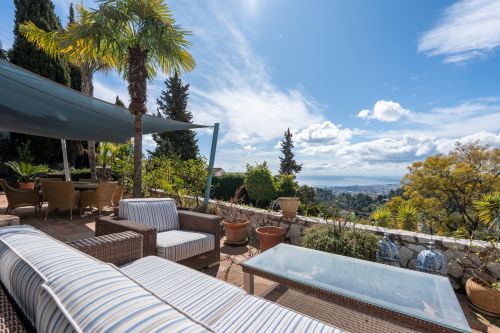
4 bedroom villa for sale in Mijas Pueblo, Mijas
- 4 beds
- 4 baths
- Plot: 1,974 m²