The Estepona port concession is going to tender, and its terms say as much about the town’s next thirty years as any launch programme could. The Agencia Pública de Puertos de Andalucía has opened the competition for the nautical and recreational concession of the port, with a thirty year term, a minimum of €10 million in remodelling investment, and a closing date for offers of 15 September. Whoever wins the Estepona port concession takes on one of the most visible pieces of public infrastructure on this coast, with the money and the obligations written into the contract rather than promised beside it.
The scale of the commitment is the part worth reading slowly. This is not a maintenance contract with a fresh coat of paint. The Estepona port concession puts a thirty year operating right, a ten million euro remodelling and a protected berth mix up for competition in a single document. It is a thirty year operating right over all 447 berths, tied to guarantees, annual fees and a remodelling programme the winner must fund from private capital, in a town whose centre has been rebuilt around the expectation that its waterfront will finally match it.
The thirty year Estepona port concession tender
The concession on offer runs for thirty years, extendable to thirty five if the operator commits an additional million euros a year over the extension, and the Estepona port concession documents put every deadline in writing. The minimum investment attached to the base term is €10 million, and a detail in the tender documents makes that figure more than decorative: the initial investment must be executed within the first four years. A port remodelling programme with a clock on it is a different object from one without.
Entry is deliberately expensive. Bidders post a provisional guarantee of €200,000 simply to take part, and the winner replaces it with a definitive guarantee of five per cent of the works budget, which the ports agency can raise to ten per cent.
Annual payments are set at €561,533 in occupancy fees plus €163,844 in usage charges on the 2026 reference, and the scoring also rewards bidders for economic improvements offered beyond the minimums, valued at up to 35 points. The Estepona port concession is scoring those offers publicly, and together the numbers are designed to filter out exactly the kind of undercapitalised bidder that turns port concessions into decade long disputes. That is the filter working as designed.
What the Estepona port concession requires
The tender protects the character of the marina rather than inviting its reinvention. All 447 berths stay in place for vessels of between six and thirty five metres, and at least 140 of them must be guaranteed for boats of up to ten metres, with fuel services and crew amenities maintained alongside. The winning bid must include a Basic Project of no more than 300 pages setting out how the dock areas will be remodelled, which is a document about doing the place better rather than doing it differently.

Just as important is what the Estepona port concession forbids. The winner cannot increase buildable area, roof surface, terraces or building height, and cannot extend the port’s footprint over the water. The Estepona port concession is being modernised within its own lines, which tells any buyer reading the tender exactly how disruptive the coming years are and are not going to be.
The landlord model behind the deal
The structure is the landlord model the Junta now applies across its ports, and it is worth understanding because it explains where the money actually comes from. The public administration keeps ownership of the land and the seabed, so the port itself never leaves public hands. What the concessionaire buys is the right to operate and invest for the term, carrying the investment risk and collecting the commercial return.
For the Estepona port concession that means the €10 million minimum is private capital from the first euro, not public spending, with the guarantees standing behind it as proof the commitment is real. The Junta collects the occupancy and usage fees for thirty years and keeps the asset at the end. Anyone sceptical of investment headlines attached to Spanish infrastructure, and this coast has earned that scepticism, should note that the guarantee structure exists precisely so an operator cannot win and quietly fail to build.
JUST Real Estate has tracked sold data over many years and has compiled the JUST Intelligence Database™, which holds data no other agency has. We can accurately compare your property to neighboring sales and stats, so our competitive market analysis gives you the advantage in a buyer’s market.
Four hundred and forty seven berths, protected
The berth mix reads like a market position statement. The 447 moorings run from six metre dinghies to thirty five metre motor yachts, with the largest single group at up to eight metres, and the tender obliges the winner to keep at least 140 of them available for boats of up to ten metres even if some are replaced by a dry marina with equivalent services. The Estepona port concession is telling the marina to stay what it is, a harbour for families, sailing boats and mid sized cruisers, rather than chase the superyacht trade its neighbours compete over.
That continuity is the quiet good news for berth holders and the businesses that serve them, because the Estepona port concession protects it in writing rather than leaving it to goodwill. A guaranteed base for smaller craft keeps the sailing schools, the chandlers and the families who actually use the port through the year, while the remodelling improves the surroundings they share. The alternative, a marina repositioned wholesale upmarket, would have priced out the very traffic that keeps the quayside alive between seasons.
What it means around the port and the old town
The Estepona port concession lands at one end of a town centre that has spent a decade rebuilding itself street by street, from the murals to the boulevard to the restored squares, and the port is the last large piece of that frontage still waiting for its turn. A remodelled harbour with better pedestrian space, sorted drainage and cleaner services connects to the old town rather than sitting beside it, and the streets between the two are where the Estepona port concession shows up first in how the area feels, and later in what it costs.

The measured way to follow it is through the deeds. Estepona achieved €3,437 per square metre on registered transactions over the latest rolling twelve months, and the quarter by quarter detail sits in the Estepona market report, with the province wide picture in our Málaga Q2 report.
Owners and buyers in the streets between the port and the old town can see the current stock on the Estepona property page, read how the centre has already changed in our piece on the boulevard project, and ask us which streets the concession genuinely touches. Sellers can start from the valuation calculator and our seller service, and buyers still shaping a brief can use the requirements form so the right streets reach them first.
The beach and the bay that come with it

Playa de la Rada curves from the harbour towards the old town, and it is the reason this stretch of waterfront works as one amenity rather than two. The Estepona port concession cannot spoil it, because the footprint ban is written into the contract. The tender’s ban on expanding the footprint protects that beach and the low rise profile behind it, so the remodelling arrives without the tower crane. A better port, an intact beach and a walkable centre is the combination buyers describe when they explain why they chose Estepona, and the concession is written to hand all three to the next operator in better condition.
The berth mix, read line by line
The tender prints the full 447 berth breakdown, and the distribution tells you who the port serves today. Fifteen moorings take boats up to six metres, 211 take up to eight, 42 up to ten, 86 up to twelve, 78 up to fifteen, seven up to twenty, six up to twenty five and just two take thirty five metre vessels. Two thirds of the port exists for boats under ten metres, which is why the guarantee on the smaller berths is not a technicality but the whole business model in writing.
Anyone who has walked the pontoons in August will recognise that mix. Concession terms that protected the big boat end at the expense of those 211 eight metre berths would have hollowed out the marina’s ordinary traffic in a single season. The documents choose the opposite path, and they make the choice binding rather than aspirational.
Why the Junta opened the port to competition
The tender is part of a wider shift in how the region handles its ports. Across the Andalusian coast this year, authorities have preferred open competition over quiet renewal when long running concessions come up for decision, even where the sitting operator has kept the facility running adequately. The reasoning is straightforward. A fresh mandate brings fresh capital, updated business plans and a value for the concession that is set by the market rather than by history.
The scoring carries that logic into the paperwork, because bidders can earn valuation credit for economic improvements offered above the required minimums. For a town like Estepona, the practical meaning is that the winning offer is the one that promises the most investment and the best terms for the port, witnessed publicly, rather than the one that simply agreed to carry on.
The tourism economy the port feeds
Visitors arriving by boat spend on restaurants, provisioning, repairs and the small services a working harbour distributes around it, and the Estepona port concession decides how well that harbour serves them. Better crew amenities and reliable fuel services keep more of it in Estepona rather than sending vessels further along the coast, and the tender requires both to be maintained as obligations rather than courtesies.
There is a steadier effect underneath the seasonal one. A port with a long term concession behind it attracts berth holders who stay for years rather than seasons, and their presence keeps the quayside businesses trading through the winter. For a town whose economy still leans hard on the summer, that off season traffic is disproportionately valuable even though it never makes a headline.

For buyers reading the town properly, the port concession belongs in the same sentence as the schools, the boulevard and the old town restoration, because those are the things that make a location work in February. The process behind a purchase is its own subject, and the buyers guide walks it step by step, from the reservation to the notary, with the costs that surprise nobody who has read it.
Questions about the Estepona port concession
How long is the Estepona port concession?
Thirty years, extendable to thirty five if the operator commits an additional million euros a year over the extension. The minimum investment attached to the base term is €10 million, which must be executed within the first four years.
How many berths does Estepona port have?
447 berths for vessels of between six and thirty five metres, and the Estepona port concession guarantees at least 140 of them for boats of up to ten metres, with fuel services and crew amenities maintained for all users.
When do bids close for the Estepona port concession?
Offers close at midday on 15 September 2026. The winning operator is expected to be confirmed after the offers have been opened and assessed in the weeks that follow.
Can the new operator build more at Estepona port?
No. The Estepona port concession forbids any increase in buildable area, roof surface, terraces or building height, and no extension of the port’s footprint over the water, so the remodelling stays within the lines the port already occupies.
What does the Estepona port concession mean for property nearby?
A €10 million remodelling with a thirty year operator improves the daily experience of the port and the streets between it and the old town, without adding competing new stock. Deeds rather than brochures are the honest measure, and we can set those streets against the right comparable set on request.
The Costa del Sol property market continues to evolve, but informed decisions begin with reliable data. Download the JUST Q2 2026 Golden Triangle Market Report today and gain exclusive insight into one of Europe’s most resilient and internationally driven residential markets.

DOWNLOAD OUR Q2 2026 MARKET REPORT NOW
Free to read and free to quote, provided any figure is attributed to JUST Real Estate and names the edition it came from.
Research enquiries:
James Evans — Managing Partner
📞 +34 643 390 376 | ✉️ james@justrealestate.es
Sales enquiries:
Alina Nouaimeh — Partner
📞 +34 600 689 749 | ✉️ alina@justrealestate.es
FAQ
Is the JUST Market Report free to download?
Yes. The report is available as a complimentary download and provides professional analysis of the Marbella, Estepona and Benahávis property markets.
Who is the report designed for?
The report is written for buyers, sellers, investors, developers, relocation clients, family offices and anyone seeking accurate, data-led insight into the Costa del Sol property market.
Where does the data come from?
Our analysis uses official information from Registradores de España, INE, Notariado, Tinsa, Banco de España and other recognised industry sources, combined with our own market observations and research.
How often is the report updated?
JUST Real Estate publishes a comprehensive market report every quarter, ensuring readers have access to the latest available market intelligence.
Our latest listings
View our latest listings of luxury properties for sale, where sophistication and comfort come together for an exceptional living experience.

5 bedroom villa for sale in Mijas
- 5 beds
- 6 baths
- Plot: 1,805 m²
- Interior: 465 m²
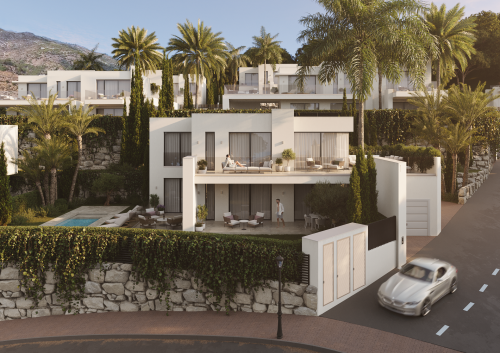
4 bedroom villa for sale in Mijas Pueblo, Mijas
- 4 beds
- 4 baths
- Plot: 580 m²
- Interior: 150 m²

4 bedroom villa for sale in Mijas
- 4 beds
- 4 baths
- Plot: 580 m²
- Interior: 150 m²
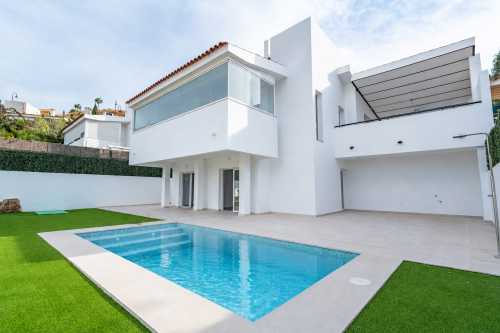
4 bedroom villa for sale in Mijas Pueblo, Mijas
- 4 beds
- 3 baths
- Plot: 340 m²
- Interior: 187.42 m²
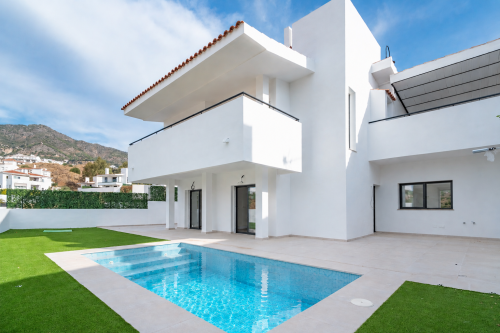
4 bedroom villa for sale in Mijas Pueblo, Mijas
- 4 beds
- 3 baths
- Plot: 339 m²
- Interior: 195.47 m²

3 bedroom apartment for sale in Mijas
- 3 beds
- 2 baths
- Plot: 34.98 m²
- Interior: 79 m²

3 bedroom villa for sale in Mijas Pueblo, Mijas
- 3 beds
- 2 baths
- Plot: 344 m²
- Interior: 164.86 m²

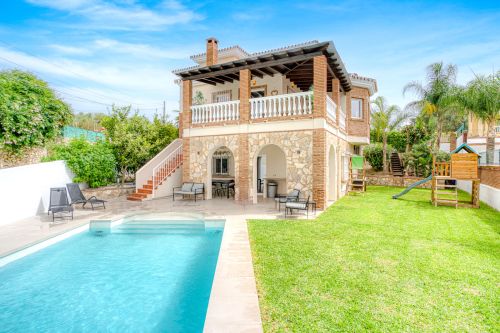
6 bedroom villa for sale in Mijas
- 6 beds
- 4 baths
- Plot: 658 m²
- Interior: 360 m²

5 bedroom house for sale in Valtocado, Mijas
- 5 beds
- 4 baths
- Plot: 41,000 m²
- Interior: 378 m²


4 bedroom villa for sale in Mijas Pueblo, Mijas
- 4 beds
- 4 baths
- Plot: 1,974 m²