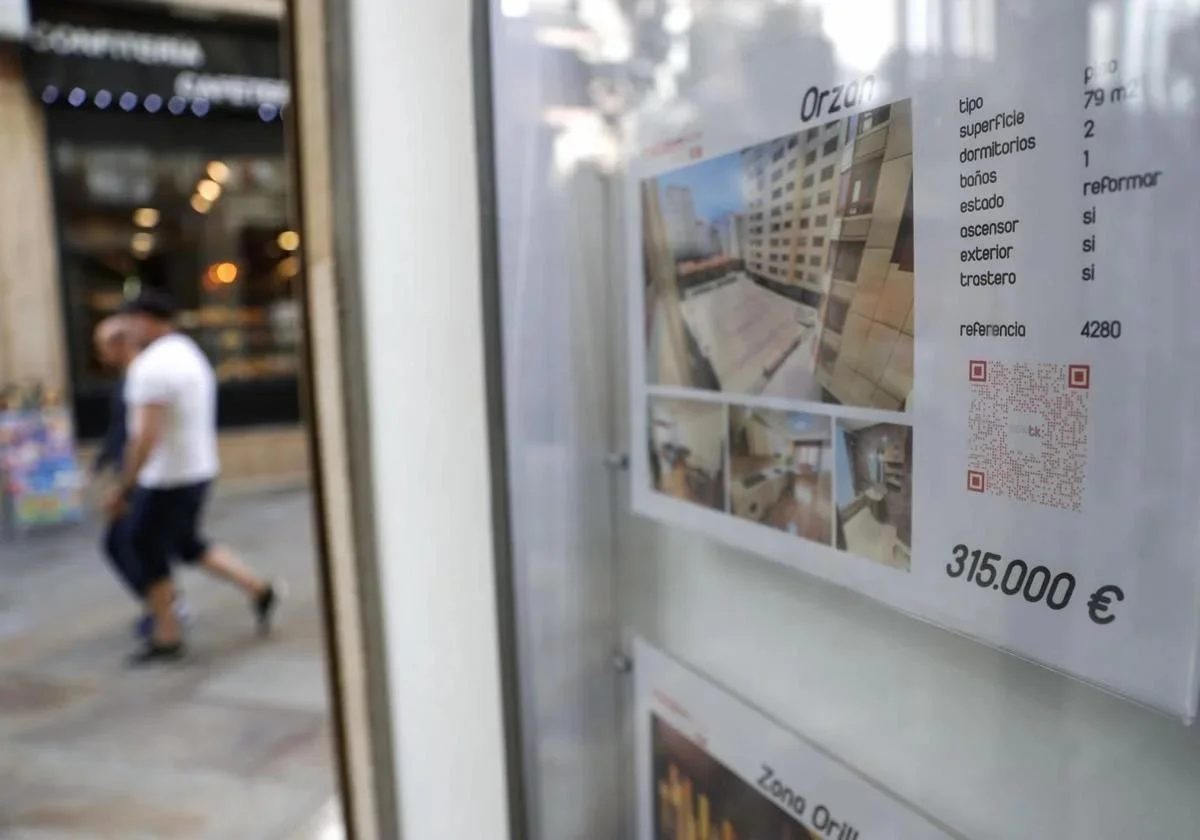
Spain’s property sector is enjoying its most active start to the year since 2007, with the National Statistics Institute (INE) confirming that 357,533 homes changed hands between January and June 2025. Not since the height of the mid-2000s property boom have sales been this strong. Back then, more than 491,000 homes were sold during the same period, but the drivers and underlying conditions today are very different.
A More Balanced Market Than 2007
In contrast to the speculative overbuilding and easy credit of the early 2000s, the current market is supported by healthier household finances, stricter lending criteria, and a marked shortage of new construction. This lack of new supply is one of the key factors pushing buyers towards the resale market, which accounted for 77% of all sales in the first half of 2025. That resale dominance reflects how far new construction has fallen behind demand since the financial crisis, with many regions still building at a fraction of pre-2008 volumes despite a much larger and wealthier pool of active buyers today.
Analysts point out that while transaction volumes are similar to pre-2008 peaks, the market today is structurally more balanced. Oversupply is no longer a defining feature, and planning regulations in many regions have slowed large scale development. This creates a competitive environment where quality homes, particularly in sought-after locations, attract significant interest soon after coming to market.
Who’s Buying
Another notable shift is in the type of demand. While domestic buyers remain active, there is strong participation from international purchasers drawn to Spain for both lifestyle and investment reasons. This is particularly evident in coastal provinces and prime city markets, where foreign buyers are competing for limited stock, keeping prices elevated. Unlike the boom years, this competition is concentrated in a genuinely limited pool of well located, high quality stock rather than spread across speculative new build projects of variable quality.
That dynamic is especially visible on the Costa del Sol, where sustained international demand has pushed prices to fresh highs in several municipalities. We covered the local detail behind that trend in our report on how Costa del Sol property prices hit record highs in 2025, led by Marbella and Benahavís.
Demand Holds Despite Rising Costs
The INE figures also show that property sales have remained robust despite persistent affordability challenges. High prices and rising financing costs have not deterred committed buyers, suggesting that demand is being fuelled as much by cash rich purchasers as by those requiring mortgages. In many cases, buyers are acting quickly to secure properties before prices climb further or stock becomes even scarcer.
That willingness to move quickly, even as borrowing costs rise, is one of the clearer signs that today’s buyers are less rate-sensitive than the mortgage-dependent market of the mid-2000s, since a meaningful share are purchasing with cash or with substantial deposits rather than maximum leverage.
Looking ahead, the trajectory of Spain’s property market will depend heavily on how quickly new supply can be delivered, as well as broader economic factors such as interest rates, inflation, and employment growth. For now, the data from the first half of 2025 confirms that buyer appetite remains exceptionally strong, with market momentum likely to continue into the second half of the year, assuming supply constraints and financing conditions do not shift materially before then.
The Data Behind This
For the underlying quarterly data, including transaction volumes, values per square metre, buyer nationality and rental yields across Marbella, Estepona and Benahavís, see our Marbella property market report. It is compiled from Spanish Land Registry and notarial records and updated every quarter.