The Court Ruling
The luxury hillside development of Palo Alto, perched between Marbella and Ojén, has just received a decisive legal green light, and with it, a second life. After years of procedural gridlock, the Andalusian courts have approved the continuation and expansion of the project, paving the way for an additional €200 million investment that brings the total scheme to roughly €450 million.
The ruling re-establishes confidence in one of the Costa del Sol’s most ambitious residential visions: a contemporary mountainside enclave designed for long-term living, not transient tourism. With plans to deliver around 260 new homes in the next phase, Palo Alto is poised to become a benchmark for sustainable hillside development, and a bellwether for Marbella’s next growth cycle.
At first glance, the story reads like another headline about luxury real estate in southern Spain. But it’s far more significant than that. The project’s revival underscores a profound shift in how the region is redefining its relationship with topography, density, and design. For decades, Marbella’s prestige has been anchored to its coastline. The logic was simple: proximity to the sea equalled value. Today, that logic is being rewritten at elevation.
Design and Legal Context
Palo Alto occupies the upper reaches of Ojén, where the contours of the Sierra de las Nieves meet the Mediterranean horizon. The site’s steep gradients once made it a challenge for large-scale development; now they’re its greatest asset. Ten new buildings will be carefully embedded into the terrain, designed to maximise views, natural light, and environmental performance. The aim is not to build on the mountain, but with it, a philosophy that fits neatly into Andalucía’s new planning era under the LISTA law, which prioritises territorial sustainability over raw expansion.
That legal context is key. The court approval resolves long-standing disputes over density and environmental compliance, giving both the municipality and the developer certainty to move forward. In a region where bureaucratic and legal hurdles can paralyse investment for years, this kind of clarity is pure gold. It signals that large, well-structured projects can still navigate Spain’s tightening planning framework, provided they respect ecological balance and social return.
Investment Outlook
From an investment standpoint, the implications are considerable. As coastal land becomes scarce and increasingly regulated, hillside zones are emerging as the next frontier for high-value residential product. Unlike the vertical density of Benahavís or the saturated seafronts of Marbella East, Ojén offers something Marbella itself no longer can: expansiveness. The challenge will be infrastructure, ensuring that roads, utilities, and services scale with the population. But if executed well, this could create a new gravitational centre for design-driven living above the coast.

The timing also aligns with broader macro trends. International buyers remain deeply active in Andalusian luxury, with a clear preference for turnkey properties that balance privacy, views, and technology. Palo Alto fits that profile exactly, a controlled, branded environment that delivers the serenity of the mountains with the amenities of a city. From the developer’s perspective, the court ruling allows them to re-enter a buoyant market with renewed credibility, while satisfying increasingly demanding ESG (environmental, social, governance) expectations from both lenders and end-buyers.
Still, ambition must translate into delivery. The Costa del Sol’s hillsides are littered with half-finished dreams from past cycles, projects launched with more optimism than logistics. The difference today is maturity: financing is structured, demand is global, and municipalities are far more cautious about what they approve. The market has evolved from speculative expansion to curated growth.
What makes Palo Alto stand out is not just its size, but its symbolism. It captures the Costa del Sol’s evolution from a coastal resort economy to a full-spectrum residential ecosystem, where the mountains are no longer margins, but magnets. The legal clarity it has now achieved sets a precedent for other hillside projects in the pipeline across Ojén, Benahavís, and Istán, many of which are watching closely to see how the courts interpret sustainability under the new legal framework.
As Marbella awaits final regional ratification of its own PGOM, the Palo Alto decision arrives as a statement of direction: that quality, integration, and environmental coherence can unlock the next phase of growth more effectively than raw scale.
Our latest listings
View our latest listings of luxury properties for sale, where sophistication and comfort come together for an exceptional living experience.
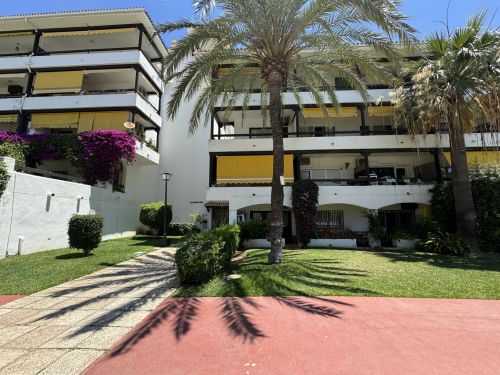
2 bedroom ground floor apartment for sale in La Carolina, Marbella
- 2 beds
- 1 Bath
- Interior: 57 m²

1 bedroom apartment for sale in Marbella Golden Mile, Marbella
- 1 Bed
- 1 Bath
- Interior: 60 m²
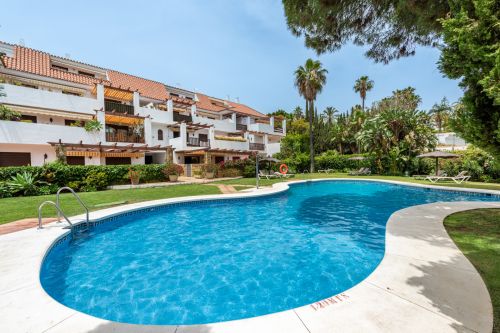
2 bedroom apartment for sale in Marbella Golden Mile, Marbella
- 2 beds
- 2 baths
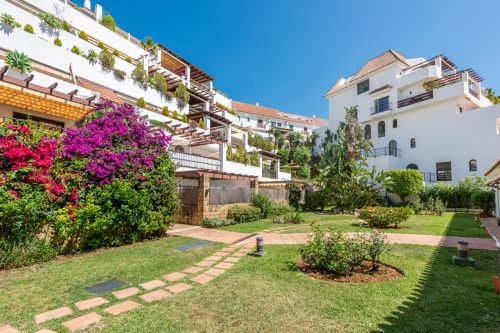
2 bedroom apartment for sale in Coto Real, Marbella Golden Mile
- 2 beds
- 2 baths
- Interior: 83 m²
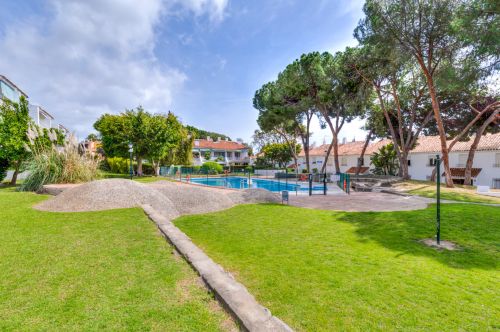
4 bedroom ground floor apartment for sale in Nagüeles, Marbella
- 4 beds
- 2 baths

3 bedroom apartment for sale in La Carolina, Marbella Golden Mile
- 3 beds
- 2 baths
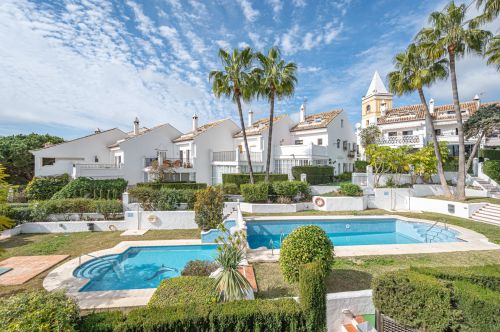
3 bedroom town house for sale in Montepiedra, Marbella Golden Mile
- 3 beds
- 3 baths
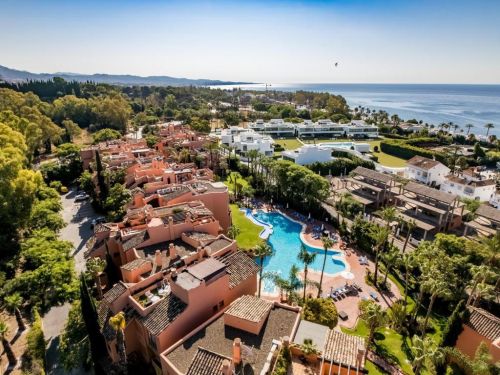
2 bedroom apartment for sale in Oasis de Marbella, Marbella
- 2 beds
- 2 baths
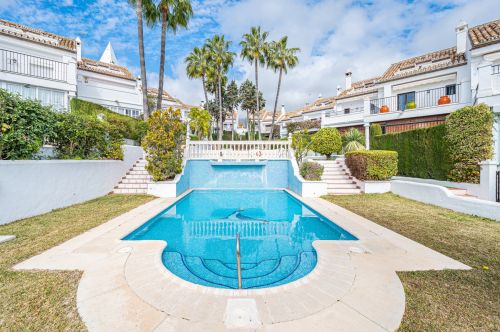
4 bedroom town house for sale in Montepiedra, Marbella Golden Mile
- 4 beds
- 3 baths
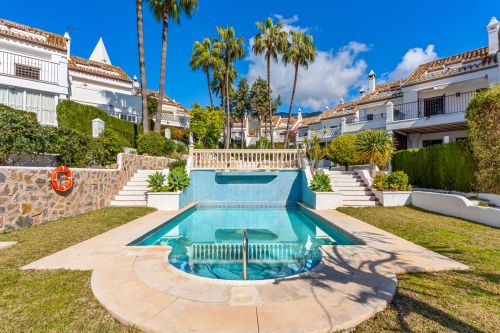
4 bedroom town house for sale in Montepiedra, Marbella Golden Mile
- 4 beds
- 3 baths
- Interior: 182 m²

2 bedroom apartment for sale in Sierra Blanca, Marbella Golden Mile
- 2 beds
- 3 baths
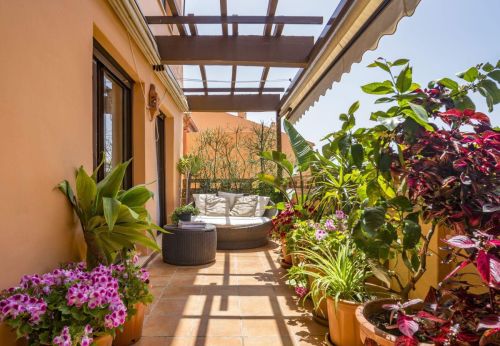
3 bedroom apartment for sale in Costa Nagüeles III, Marbella
- 3 beds
- 2 baths
- Interior: 112 m²