
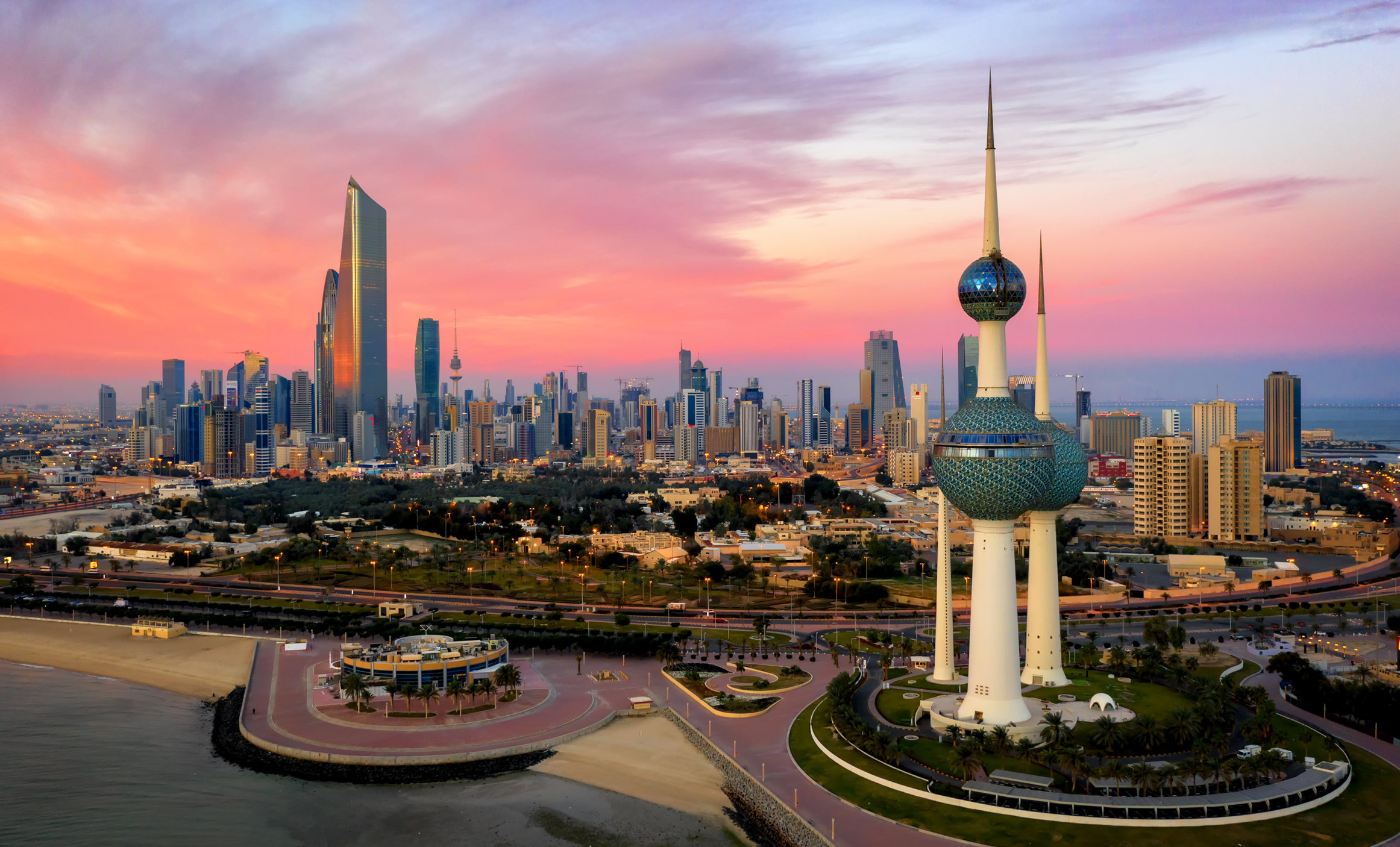
Kuwaitis have emerged as the largest buyers of Spanish property from the Gulf region, according to a recent report. In the first half of 2024, they overtook other Gulf Cooperation Council (GCC) nations, including the UAE, which had traditionally led in foreign property investments in Spain. This surge is attributed to a growing interest in luxury real estate and vacation homes, particularly in high-end locations like Marbella and Madrid.
Kuwait’s Rise to the Top
The shift marks a notable change in the profile of Gulf buyers active in the Spanish market. For years, the United Arab Emirates held the lead among GCC nations investing in Spanish property, but Kuwaiti buyers have steadily built a reputation for favouring long-term acquisitions over short-term speculation. This pattern lines up with what agents on the coast have long observed: Kuwaiti clients tend to research thoroughly, move decisively once satisfied, and prioritise privacy and quality over headline-grabbing purchases.
Analysts attribute the change to two forces working together, a maturing generation of Kuwaiti investors more comfortable buying abroad, and greater marketing reach from Spanish developers and agencies now courting Gulf clients directly rather than relying solely on intermediaries in London or Dubai. The result is a more direct pipeline between Kuwait City and the Spanish coast, cutting some of the friction that once slowed Gulf investment into Southern Europe.
Why Gulf Investors Choose Spain
The report also highlights that Kuwaitis, as well as other GCC investors, are drawn to Spain for its lifestyle, investment opportunities, and the ease of travel within Europe. Spain’s favourable property laws for foreign buyers and its Golden Visa program, which grants residency to individuals who invest significantly in real estate, have further fuelled this trend. Although the Golden Visa scheme is set to be scrapped, the appeal of Spain’s robust property market remains strong.
Beyond residency incentives, the wider draw for Gulf buyers includes Spain’s climate, its established private schooling and healthcare options, and direct flight connections to the Gulf. These factors matter as much as the numbers on a spreadsheet, since many buyers are purchasing a lifestyle for their families as much as an asset for their portfolio.
Currency dynamics play a role too, since Gulf currencies pegged or closely tied to the US dollar have made Spanish property comparatively attractive whenever the euro softens. Combined with straightforward mortgage access for qualifying foreign buyers, this has removed much of the friction that once made a purchase in Spain feel more complicated than one in London or Paris.
What This Means for Marbella
This shift is significant, as it underscores the increasing diversification of Gulf investment portfolios beyond traditional markets like London or Paris. Spain’s real estate sector, known for its long-term capital growth potential, is becoming a preferred choice among affluent Gulf nationals seeking both lifestyle benefits and financial returns.
For Marbella specifically, this trend reinforces demand in the prime and ultra-prime segments, from villas in Sierra Blanca and the Golden Mile to newer branded residence developments along the coast. As Gulf buyers diversify away from more saturated markets, Marbella’s combination of security, climate, and established luxury infrastructure positions it well to keep capturing a share of that capital in the years ahead.
Looking ahead, agents expect Gulf demand to keep broadening beyond the traditional UAE led pattern, with Kuwaiti, Qatari, and Saudi buyers all increasing their presence on Spain’s south coast. For Marbella’s luxury market, that diversification is a healthy sign, spreading demand across a wider base of buyers rather than leaving the market reliant on any single nationality or region.